From Golden Handcuffs
to Strategic Escape
Why I stopped booking vacations and started designing freedom.
For a long time, my life was measured in compliance deadlines, leadership briefings, facility risk, and the low-frequency hum of high-stakes responsibility.
You know the feeling. The "Golden Handcuffs," where the paycheck is strong, the title looks great on paper, and the actual cost of the seat is your peace of mind.
I was successful, sure. But I was also tired. Not "I need a long weekend" tired. I mean a deep, structural fatigue that comes from performing at a high level in environments where the pressure never really clocks out.
The Career That Made Me Rethink Rest
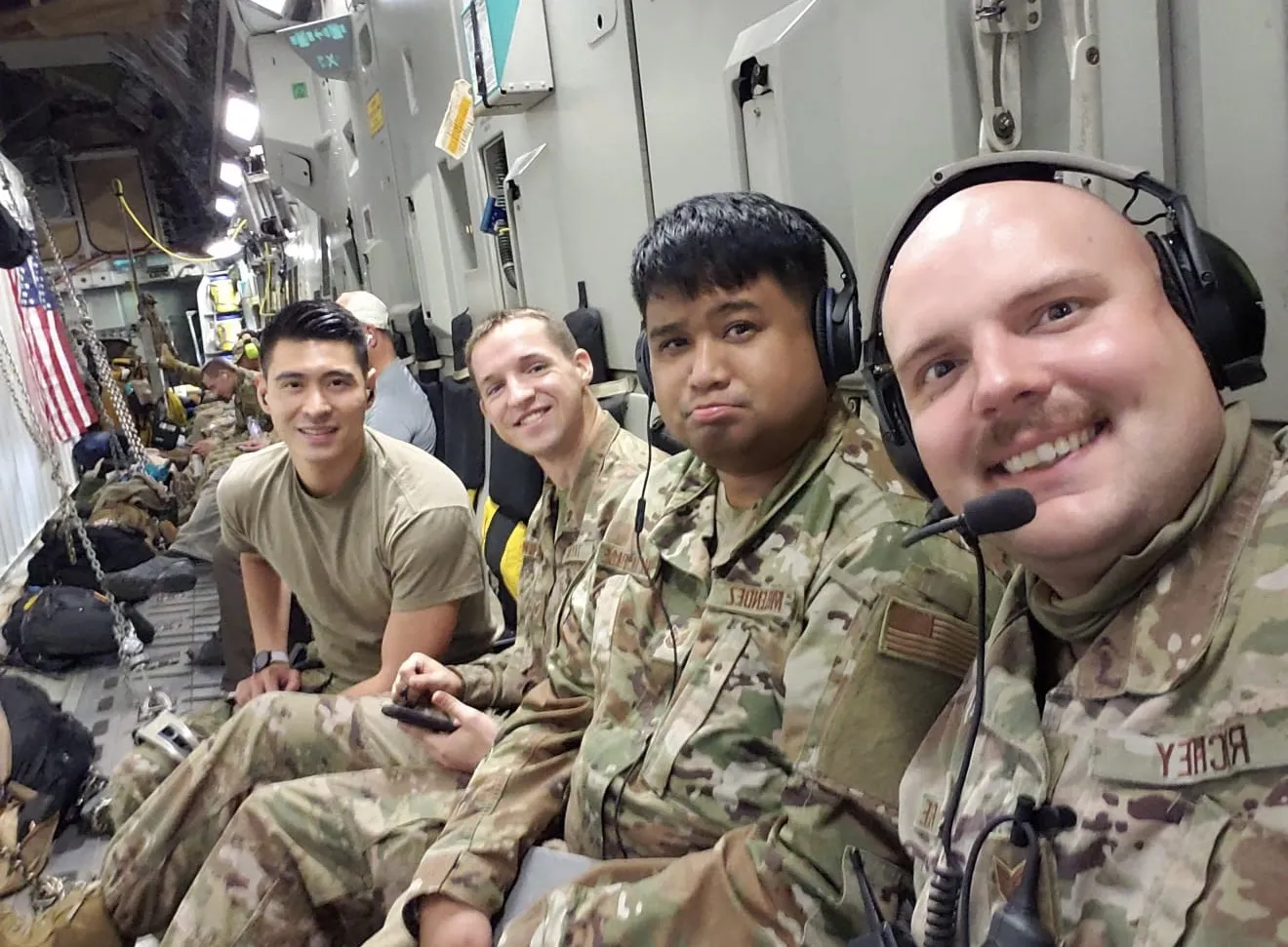
My professional path did not exactly follow a soft, candlelit route into travel. Before Off The Grid Getaways, I spent more than 17 years serving in the U.S. Air Force, specializing in bioenvironmental engineering, radiation safety, and occupational health. It was the kind of work that trains you to notice what others miss: invisible risk, regulatory exposure, long-tail consequences, and the difference between a system that looks fine on the surface and one that is actually operating safely.
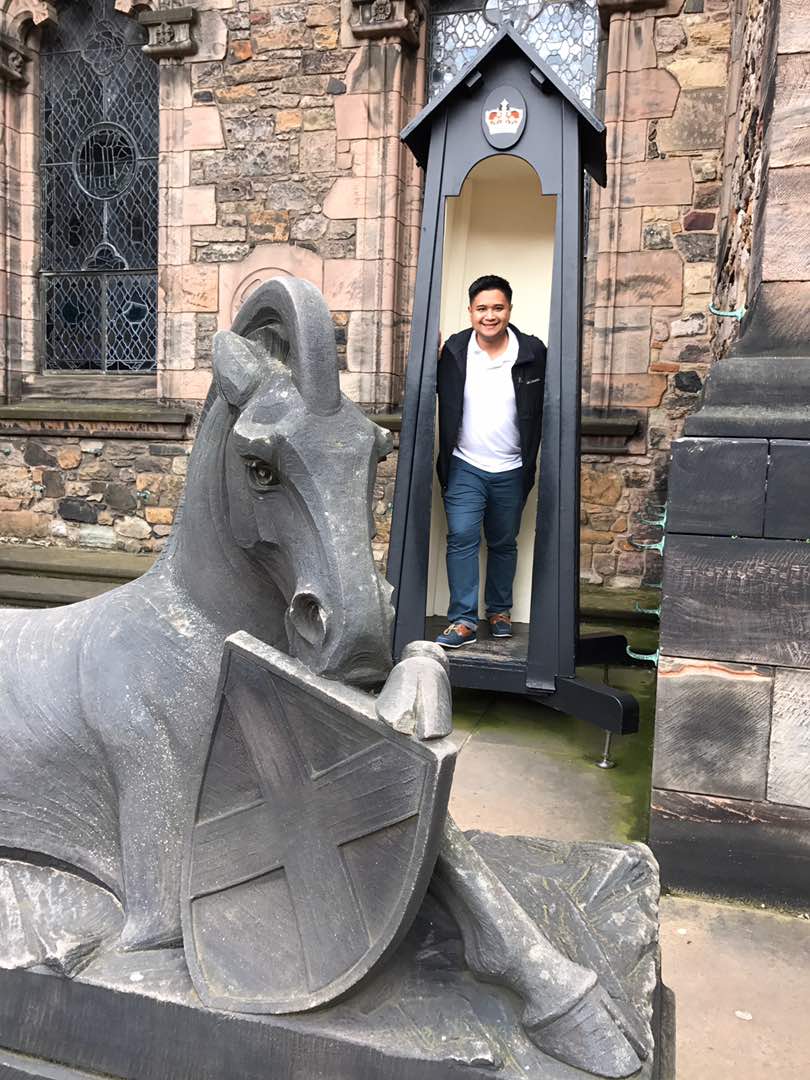
My assignments took me to the UK, Korea, and Italy, along with numerous deployments that reinforced a simple truth: environments matter, and details matter even more when people's health, safety, and mission readiness are on the line.
I was medically retired from the Air Force in 2022, which was its own identity shift. Anyone who has had a career end before they were emotionally ready knows that retirement, especially medical retirement, is not just a paperwork event. It is a recalibration of who you are, what your body is telling you, and what kind of life you are actually building.
After that chapter, I transitioned to Lockheed Martin, where I helped stand up the safety program for a Special Operations theater. It was demanding, technical, and mission-driven work. Ironically, I traveled across the Middle East more frequently during that stint than I did during active duty. On paper, it looked dynamic and impressive. In practice, it meant movement without much restoration. Airports, briefings, shifting operational realities, long days, and the strange rhythm of being constantly in motion while still feeling mentally pinned in place.
Then came another pivot: joining the Federal Civil Service in my current high-stakes role as Facilities Manager with the Defense Health Agency for the 6th Medical Group at MacDill AFB. If you know, you know. That role is not a "manage a few calendars and approve a budget" situation. It means carrying responsibility for the Environment of Care and safety compliance for both the Ambulatory Clinic and Sabal Park Clinic, while overseeing multi-million dollar budgets in an environment where a single oversight can create real operational and human consequences. It means managing diverse personalities, navigating multiple leadership teams, adapting to changing political climates, and making decisions in systems where priorities can shift overnight.
And then there were the crises: flooding, hurricane impacts, critical equipment failures, and the thousand smaller emergencies that never make headlines but absolutely make your blood pressure notice.
Take Hurricane Milton in October 2024. While most of Tampa Bay was evacuating north, my job was to stay.
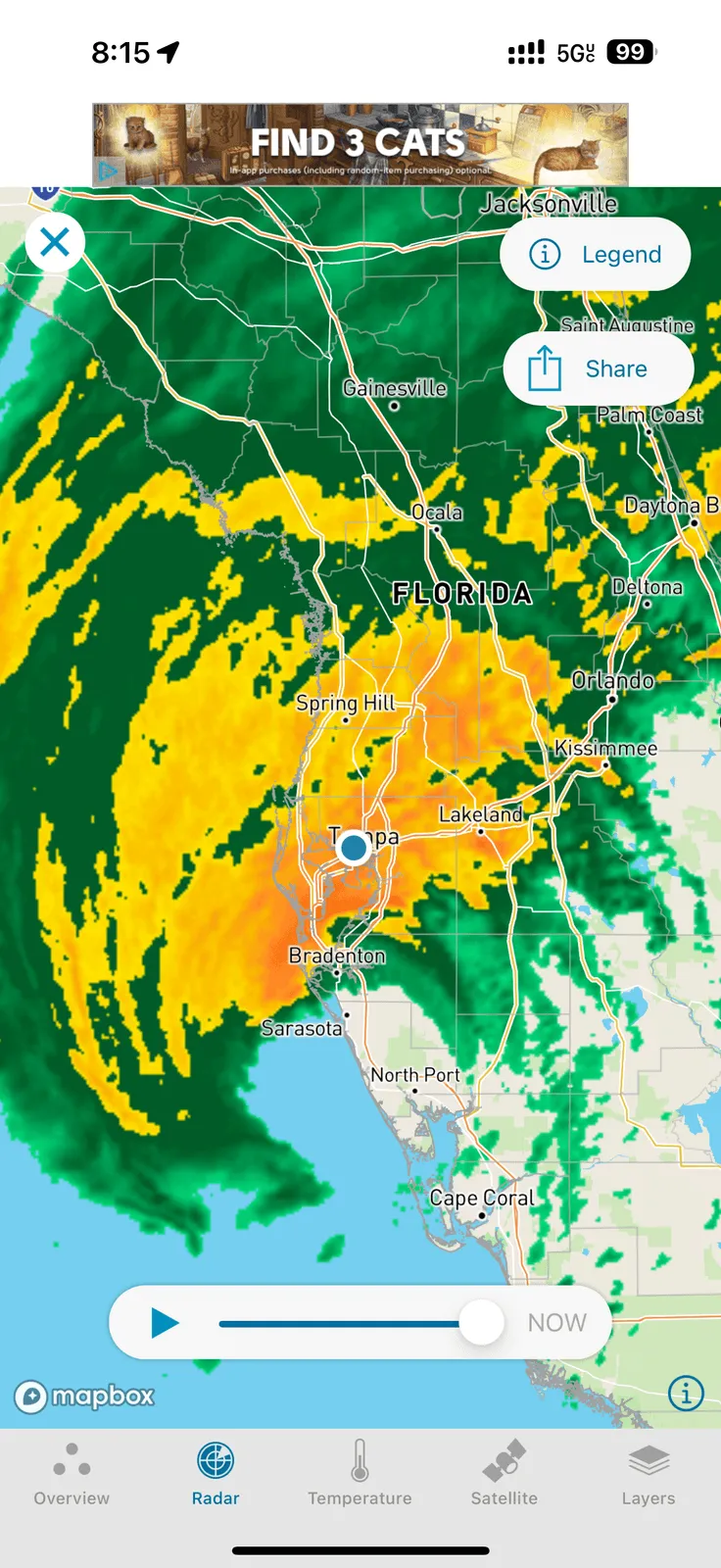
When you are responsible for two medical clinics, evacuation is not really an option. You ride it out, on base, in pre-positioned shelter, with a contingency binder, a radio, and an air mattress. You track the radar. You track the power grid. You wait for the calls about what failed, what flooded, and what needs to be operational by morning.
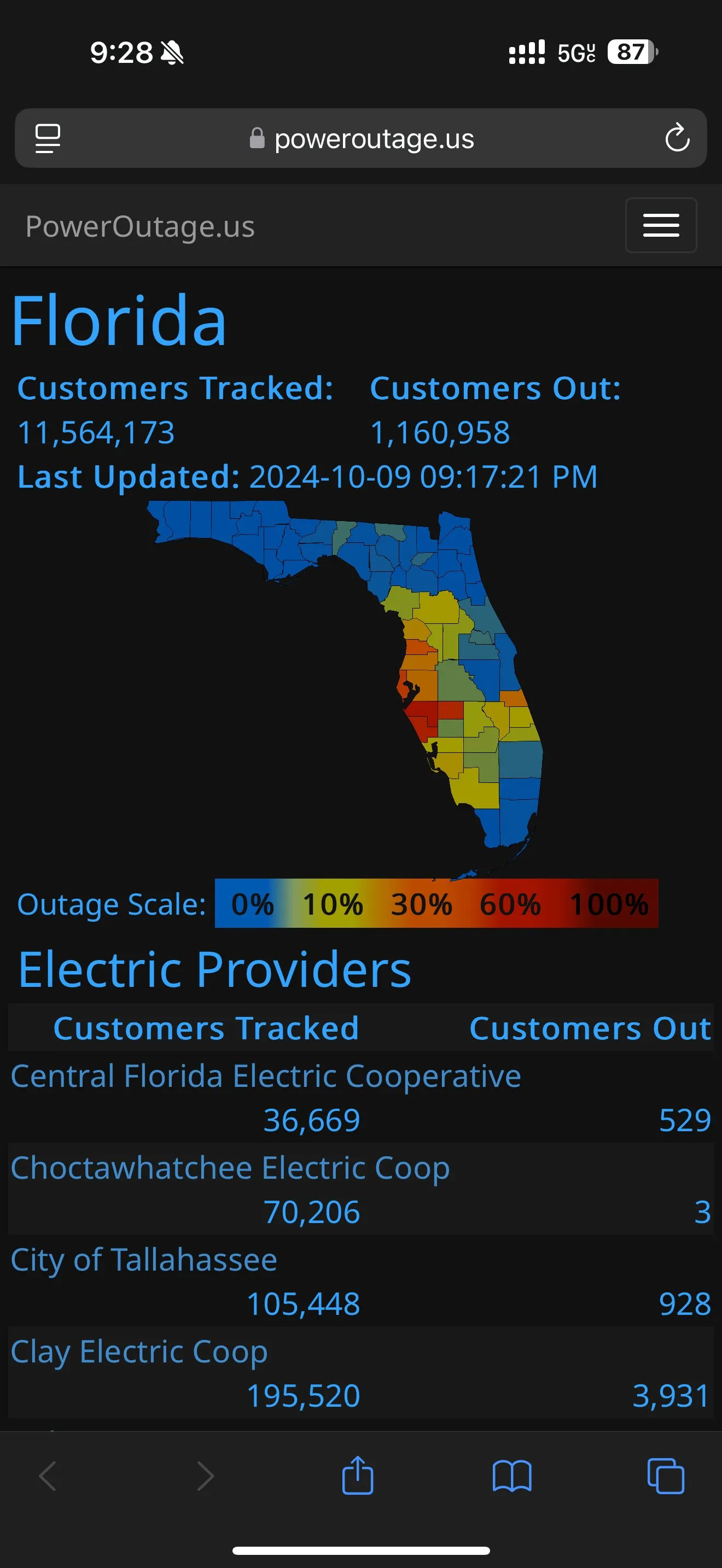
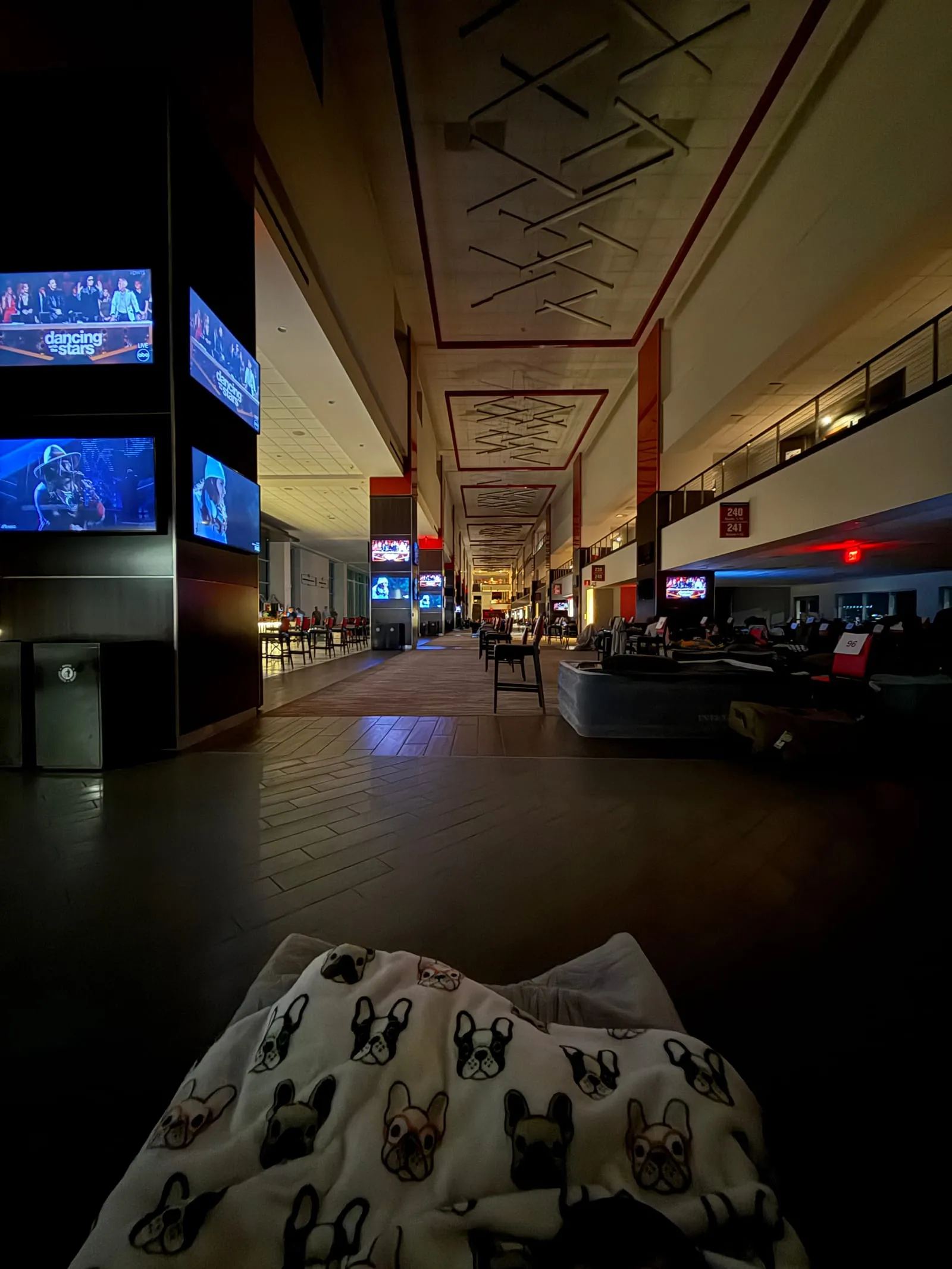
This is what high-consequence facility management actually looks like at 1 a.m. during a Cat 3: a dim hallway, a row of cots, a French bulldog blanket because that is what you grabbed on the way out the door, and the quiet awareness that thousands of patients will need their clinics running again in less than 48 hours.
That is the kind of week that resets your relationship with the word "vacation." Because when you spend years anticipating worst-case scenarios for a living, you stop wanting travel that requires the same level of vigilance.
The work was meaningful. The money was good. The career, by every traditional metric, was successful.
But personal well-being? That part was getting quietly traded away in the background.
The Realization
Every year, I'd take a "vacation." I'd book a flight, find a hotel, and spend seven days trying to forget that I had to go back on Monday. It was transactional. It was a band-aid. A temporary ceasefire with my own nervous system.
Then came the realization: I didn't need a vacation. I needed an Exit Strategy.
And the catalyst was almost comically simple. A friend kept suggesting I try cruising. Repeatedly. Persistently. To be honest, I resisted it for far too long. I had all the usual assumptions: too packaged, too predictable, not really my style.
Then Christmas 2024 happened. I gave it a shot. And everything shifted.
What I discovered was not just a trip, but a framework. The right cruise was not passive travel. It was a Strategic Escape: structured enough to remove friction, elevated enough to feel restorative, and flexible enough to let me actually enjoy my time instead of managing it.
That experience became a turning point. I started to see travel less as an occasional reward and more as part of a High-Yield Portfolio for a better life. Not in the vague "self-care" sense people toss around on LinkedIn, but in a very practical one: environments matter, recovery matters, and freedom should be designed with as much intention as any career move.
I started Off The Grid Getaways not because I wanted to sell cruise cabins, but because I wanted to help people like me trade the corporate grind for a high-yield life. I wanted to move away from "booking trips" and toward designing escapes.
In other words: moving from managing facilities to curating freedom.
Forget "Vacation": It's Time to Design Your Strategic Escape
The word "vacation" implies an absence, an emptying of the mind. But for high-performers, empty is not the goal. Restoration is. Clarity is. Reconnection is.
The point is not to vanish from your life for a week and then crawl back into it half-recovered. The point is to build a Strategic Escape that creates an actual return: mental reset, emotional breathing room, and the rare luxury of not having to manage everyone and everything around you.
That distinction became painfully obvious to me after years in roles where the margin for error was tiny and the expectation to perform was constant. Once you've spent enough time juggling compliance, safety, budgets, leadership dynamics, crisis response, and accreditation pressure from TJC, DHA, and the USAF, you stop romanticizing random travel for travel's sake. You start valuing environments that reduce noise instead of adding to it.
When I made the leap from the institutional world to becoming an Elevated Experience Travel Curator, I decided on a very specific framework. If I was going to build this business, it had to be precision-curated. It had to be high-leverage. It had to serve people who are not looking for generic vacation energy, but for travel that functions like a reset button with excellent design and a proper drink menu.
The same background that had me managing regulatory accreditation, occupational safety, radiation programs, medical environments, and multi-million dollar budgets is exactly what gives me a Precision-Curated edge in luxury travel design. OTGG is not a hobby with a logo. It is the evolution of a career spent managing high-consequence environments into managing high-consequence relaxation.
This is why Off The Grid Getaways is built on a singular, non-negotiable foundation: 18+ only.
Travel Differently: Precision-Curated, 18+ Voyages for the ExtraOrdinary
Why 18+? Because real recovery has an environment. And if your professional life already comes with noise, conflict, competing agendas, and nonstop stimulation, your time away should not feel like another exercise in sensory endurance.
When you finally step away from budget meetings, leadership friction, inbox roulette, and crisis response, the last thing you need is chaos dressed up as leisure.
I chose to focus on adults-only experiences, specifically with partners like Virgin Voyages and other curated escapes, because they offer a level of sophistication that aligns with how my clients actually want to feel: relaxed, elevated, and uninterrupted. It's about No Kids, No Clutter. More importantly, it's about removing low-value friction from the experience.
That is a major part of the High-Yield Portfolio mindset I bring to travel. Luxury is not just a nicer room or a prettier cocktail. Luxury, in its highest form, is reduced cognitive load. It is not having to think so hard. It is not having to negotiate for quiet. It is not having to "make the best of it" after spending serious money. If you are investing $5,000 or $10,000 into a getaway, the environment should support your well-being from the start.
My philosophy as a Travel Curator is simple: travel should be a high-yield investment in your mental clarity, not an expensive test of your patience. This isn't just about indulgence. It's about Strategic Escapism: putting yourself in the kind of setting where your shoulders drop, your brain stops scanning for the next problem, and you remember what life feels like when it isn't entirely built around responsibility.
The Solo Voyage: Unapologetic Autonomy
One of the biggest lessons I learned during this entire transition was the power of the solo voyage.
In institutional and corporate environments, we are constantly compromising: negotiating between stakeholders, balancing budgets, managing personalities, softening messages, reading rooms, and anticipating reactions. Even your off-hours can start to feel performative.
Solo travel is the antidote to that compromise.
As I often say: Solo travel does not mean settling. It means deciding, deliberately and unapologetically, that your time, your money, and your experience belong entirely to you. When you travel solo, you become the sole stakeholder. You decide when to wake up, where to eat, whether to socialize, whether to disappear into a spa for three hours, or whether to spend the afternoon exploring a hidden Mediterranean cove with no committee approval required.
For people who spend their careers absorbing pressure, this autonomy is not a gimmick. It is medicine. It is one of the cleanest forms of a Strategic Escape because it removes the expectation that your downtime should still be organized around someone else's needs, moods, or timeline. And for many travelers, especially those rebuilding after burnout, that level of freedom is where the healing starts.
At Off The Grid Getaways, I work with solo travelers to ensure their escape is optimized for maximum return. We look for voyages that offer strong single-occupancy value, including the kinds of opportunities that frequently surface through our WhatsApp Unicorn Deals community, and we prioritize ships and experiences where the social architecture is intelligently built. That means connection if you want it, privacy if you don't, and a travel rhythm that does not punish you for showing up as a party of one.
The Leap to Freedom: Following the Passion
Taking the leap from a stable career into a passion-driven business was not impulsive. It was strategic.
By the time I founded Off The Grid Getaways, I had spent years building skills in logistics, risk awareness, operational planning, stakeholder management, and maintaining standards under pressure. It turns out those same skills translate beautifully into travel, especially when your clients are not looking for basic booking help. They are looking for discernment.
Most travel agents are order-takers. They book what you tell them to book.
I am an Elevated Experience Travel Curator. I don't just book; I curate.
And that difference matters. Because the same mindset that once had me evaluating facilities, compliance risk, safety gaps, accreditation exposure, and budget priorities now helps me assess itineraries, cruise lines, cabin categories, timing, perks, and where the true value lives. I look at your travel through the lens of a High-Yield Portfolio. Are we balancing relaxation with exploration? Are we leveraging supplier perks and Fora benefits for upgrades? Are we using timing strategically? Are we identifying last-minute opportunities that create outsized return on experience?
What changed, ultimately, was not my ability to manage complexity. It was where I decided to apply it.
For years, I was managing buildings, operations, emergencies, personalities, and institutional pressure. In the Air Force, that meant protecting people in technically demanding environments shaped by occupational health, bioenvironmental risk, and radiation safety. At Lockheed Martin, it meant standing up a safety program in a Special Operations theater while moving across the Middle East. At MacDill, it means overseeing medical facility safety, Environment of Care standards, and the operational stress that comes with keeping clinics inspection-ready and resilient through everything from routine deficiencies to hurricane impacts.
Now, I'm focused on something far more interesting: helping adults design freedom with intention.
Moving from managing facilities to curating freedom was not a random reinvention. It was the cleanest expression of what I had been building toward all along.
This transition allowed me to reclaim my own life while helping others reclaim theirs. Now, instead of tracking deliverables, I'm tracking sailings worth taking. Instead of reacting to critical equipment failures, I'm helping clients choose between a sea terrace and a suite.
Frankly, it's a much better use of my talent.
How to Design Your Own Exit Strategy
You don't have to quit your job to start living a high-yield life. But you do have to stop treating your time off like an afterthought.
If you're carrying the weight of the grind, here is my Travel Curator framework for building a smarter Strategic Escape:
The point is not to escape your life forever. The point is to build a life where escape is intentional, effective, and worthy of the time you worked so hard to protect.
Your ExtraOrdinary is Waiting
Off The Grid Getaways was born out of a desire for something better. Better than operational overload. Better than the generic vacation. Better than performing success while quietly neglecting yourself in the process.
That is why this business exists. Not simply to book travel, but to help adults build a smarter relationship with freedom. To treat restoration as strategy. To approach travel the way ambitious people approach everything else that matters: with clarity, selectivity, and taste.
OTGG is the direct evolution of a career spent managing high-consequence environments — from radiation safety and occupational health to medical facilities and hurricane response — into something just as intentional: managing high-consequence relaxation for people who genuinely need it done well.
I invite you to stop settling for "Ordinary." Whether you are looking for an adults-only cruise to reset your nervous system, a solo voyage to reclaim your autonomy, or a more intentional place to put your time and money, it's time to apply some precision to your planning.
Let's design your Strategic Escape.
Because at the end of the day, the highest-yield asset in your portfolio is not your title, your budget, or your calendar.
It's your freedom.
Paolo Melendez is the founder of Off The Grid Getaways and a Certified Travel Advisor affiliated with Fora Travel, Inc., specializing in adults-only cruises, solo voyages, and last-minute "Unicorn Deals." A U.S. Air Force veteran with 17+ years of service across the UK, Korea, Italy, and the Middle East, Paolo applies the same precision he honed managing high-consequence environments to curating high-consequence getaways.
Ready to design your Strategic Escape?