San Juan is the best value independent port day in the Caribbean, and the reason is arithmetic. One $10 ticket covers both fortresses for 24 hours. The waterfront promenade, the city walls, the gate and the plazas are free. If you dock at Piers 3 or 4, your transport cost for the entire day is zero.
The decision is not what to see. It is whether to stay in Old San Juan or leave it. In eight hours you can do the historic district and both forts without hurrying. El Yunque and Casa Bacardí are real alternatives, and they are alternatives — not additions.
First: which pier?
| Pier area | Berth | Position | Cost to Old San Juan | What it means |
|---|---|---|---|---|
| Piers 3 & 4 — Old San Juan | Fixed berth, no tender | You walk out into the historic district. Castillo San Cristobal is minutes away | $0 | The day starts the moment you clear the terminal |
| Pan American Pier — Isla Grande | Fixed berth, no tender | Across the water. Not walkable on a cruise day | $10 per taxi, each way — fixed zone rate, not per person | Build 10–15 min each way into the first and last blocks |
The taxi is a fixed rate, not a meter — and it is per taxi, not per person. The Puerto Rico Tourism Company sets Taxi Turístico fares between zones. Pan American Pier is Zone 5, the Old San Juan piers are Zone 4, and the fare between them is $10.00 per trip. Traffic and vehicle size do not move it. The surcharges that do exist are small and specified: $1 per suitcase, $2 per passenger beyond five, $1 between 10pm and 6am. The rate card is posted inside the taxi — check it, and agree the fare before you pull away.
Confirm your assignment in your cruise line's app or daily programme. Pier assignments move with ship schedules, and it is the one variable here you cannot plan around in advance.
The mistake that ruins San Juan port days
Build the day backwards from the forts' closing hour, not forwards from all-aboard. The forts shut in the late afternoon whatever time your ship leaves, and San Juan is frequently a late or overnight call. An itinerary that puts El Morro in the seventh hour works beautifully from an 8am arrival and walks you into a locked gate from a 2pm one. Published third-party hours disagree — some say 9am to 5pm, others 9:30am to 4:30pm — so check the National Park Service hours page for your date and treat everything else as hearsay.
If your arrival is late enough that only one fort fits, keep Castillo San Cristóbal. It is closer to the piers, it is the larger of the two, and it is the one you can reach on foot without spending part of your remaining window getting there.
The eight-hour clock
| Window | Phase | What you are doing | The thing people get wrong |
|---|---|---|---|
| 0:00–0:30 | Get to Old San Juan | Walk from Piers 3/4, or a $10 taxi from Pan American to Plaza Colon | Do not start with shopping. The forts close; the boutiques do not |
| 0:30–2:00 | Castillo San Cristobal | The nearer fort. Plazas, tunnels, land-defence works, elevated views | Buy the $10 ticket here — it covers El Morro too, for 24 hours |
| 2:00–3:00 | The blue streets | Calle San Sebastian, Plaza de Armas, Fortaleza Street, the Cathedral | Wander, but keep one eye on the El Morro window |
| 3:00–4:00 | Lunch, properly seated | Mofongo, tostones, empanadillas, local coffee. $15–$30 casual to moderate | With children or older relatives this hour is shade and a real chair, not a stop |
| 4:00–5:30 | Paseo de la Princesa & San Juan Gate | The waterfront promenade under the city walls, then the red gate. Free | A short taxi for the final climb to El Morro is a reasonable purchase in heat |
| 5:30–7:00 | El Morro | Ramparts, tunnels, lookouts, the Atlantic. Exposed to sun and wind throughout | Only if the fort is still open. Back-time this from closing, not all-aboard |
| 7:00–8:00 | Return with buffer | Walk back, or taxi. From Pan American allow extra for traffic and terminal security | No “one last quick stop”. That sentence has ended many good port days |
Castillo San Cristóbal first
Start here because it is nearest and because it frames everything else: San Cristóbal was built to defend San Juan from attack by land, and its plazas, tunnels and outworks make sense of the city walls you spend the rest of the day walking beside. Allow 60 to 90 minutes.
Buy your ticket here. $10 for adults, free for anyone 15 and under, and the receipt is valid for 24 hours across both fortifications — so El Morro later in the day costs nothing more.
Then the streets, then lunch, then the waterfront
Calle San Sebastián, Plaza de Armas, Fortaleza Street, La Fortaleza and the Cathedral if it is open. Keep the route loose — Old San Juan rewards wandering — but do not let one excellent shop eat the El Morro window.
Paseo de la Princesa is the best free hour in the port. The promenade runs along the base of the old city walls to the harbour, with sculpture, vendors and a pace the rest of the district does not have, and it delivers you to the San Juan Gate — the red door through the walls that was the historic entrance to the city. Waterfront, fortification and colonial streets inside a few hundred metres.
El Morro last
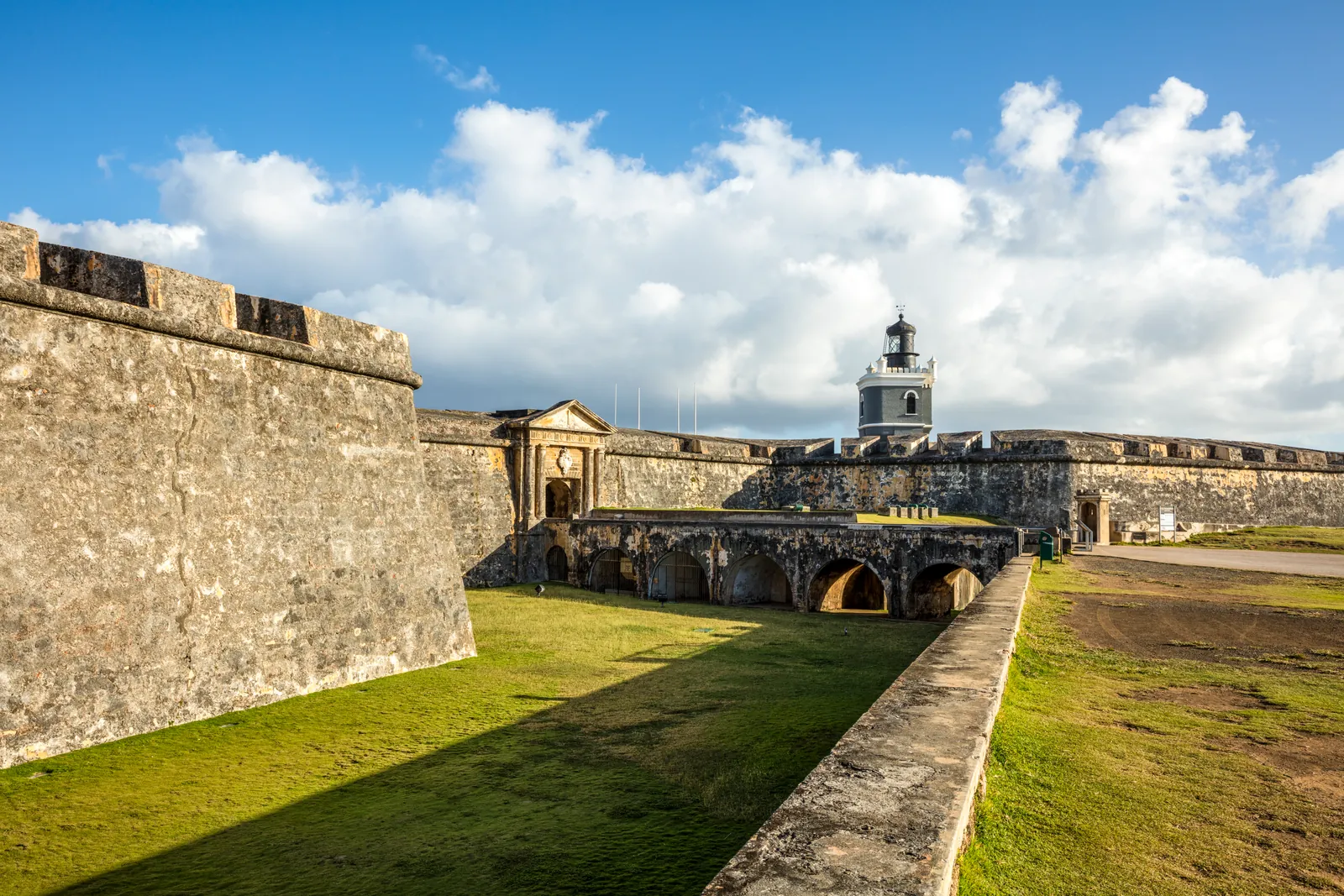
Castillo San Felipe del Morro guards the mouth of San Juan Bay from a headland, and 60 to 90 minutes is the minimum that does it justice. It is also almost entirely exposed — sun, wind and a long open esplanade between the street and the entrance. Carry water. In real heat, a short taxi for the final approach is a reasonable purchase rather than a defeat.
What the day actually costs
| Item | Cost | What it covers | Notes |
|---|---|---|---|
| Both forts | $10 per adult | One ticket, valid 24 hours, covers El Morro and San Cristobal | Age 15 and under free. A $35 site annual pass covers up to four adults |
| Taxi — Pan American to Old San Juan | $10 per taxi | Fixed Zone 5 to Zone 4 tariff, each way | +$1 per suitcase · +$2 per passenger beyond five · +$1 between 10pm and 6am |
| Taxi — within Old San Juan | ~$7 per taxi | Piers to the historic district, if you would rather not walk the hill | Worth it in heat or with limited mobility. Not needed otherwise |
| Lunch | $15–$30 per person | Casual to moderate sit-down. More for a long restaurant meal | The single most flexible line in the budget |
| Paseo de la Princesa, San Juan Gate, the streets | Free | The waterfront promenade, the walls, the plazas, the gate | The best hour of the day costs nothing |
A solo traveller off Piers 3 or 4 does this whole day for roughly $25 to $40 — ten dollars of forts and one good lunch. From the Pan American Pier, add $20 for the return taxi, divided by however many of you are in the cab. That is the argument for doing San Juan independently, and it is a strong one: there are Caribbean ports where a guided tour is the only sensible way in, and this is emphatically not one of them.
A guided walking tour buys context rather than access — the forts are self-guiding and the streets are the streets. Worth it if you want the history explained rather than read; not necessary to have a full day.
Accessibility, in the detail that matters
Old San Juan is walkable and it is not uniformly easy: steep inclines, narrow sidewalks, uneven surfaces and cobblestones that are slick in rain. The forts are more specific than "partly accessible", and the specifics decide whether a visit works.
- Castillo San Cristóbal — the better of the two. An elevator reaches the main plaza and first floor. Accessible restrooms, water fountains, bookstore and theatre at the main entrance and on the plaza level. The tunnel leading back to the main entrance area is not accessible, and the upper levels are steep historic ramps.
- El Morro — no elevator. The approach sidewalk is level, at an accessible grade; the difficulty is the distance across the open esplanade, not the surface. The fifth-level main plaza, exhibits, bookstore and theatre are easily reached. The sixth level is steep ramps. The lower levels are not accessible.
- Both forts: assisted listening devices, captioned films, and the park brochure in Braille.
Contact the park before you travel if you need specific accommodations, build in more time than you think, and use taxis strategically rather than proving a point on a hill. A 500-year-old fortification is not going to behave like a modern attraction, and it was never trying to.
Shaping the day around who you are with
- Solo: the most efficient traveller in this port. Both forts, the streets and the waterfront, at your own pace, for the price of a ticket and a lunch. Take a guided walk only if the history matters more to you than the independence.
- Couples: do not turn it into a fort-themed endurance event. Both forts still fit with a slow street walk, a proper lunch and the Paseo — book the table if you want the long version.
- Multigenerational groups: distance and decision fatigue cost more than admission. One fort in depth — San Cristóbal — plus lunch and a short flat route beats two forts badly. A taxi between stops is cheap and buys back everyone's afternoon.
- Anyone with access needs: San Cristóbal, with the route planned in advance and the park contacted first. See above.
Before you leave the ship
- Confirm your pier — Piers 3/4 or Pan American. It is a $20 difference and a 30-minute one.
- Check the fort hours for your date on the NPS site, and back-time the day from closing.
- Check the all-aboard time, not the scheduled departure.
- Download maps and confirmations before you go ashore.
- Carry a card for admission, plus water, sunscreen and a hat.
- Wear shoes with traction. The adoquines are the reason.
- If you booked outside the city, confirm the operator's return buffer and their return-to-ship policy.
Common questions
How much does it cost to visit El Morro and Castillo San Cristóbal?
$10 per adult, and one ticket covers both. The receipt is valid for 24 hours across the two fortifications, so buy it at whichever fort you reach first and walk into the second on the same ticket. Visitors aged 15 and under are admitted free. If there are exactly four adults in your party, the $35 site-specific annual pass covers up to four adults and saves you $5 against paying individually — a small saving on a cruise day, and a much better one if anyone is returning to Puerto Rico within the year.
Which pier will my ship use in San Juan, and does it matter?
It changes your whole day. Piers 3 and 4 sit against Old San Juan — you clear the terminal and you are in the historic district, with Castillo San Cristóbal minutes away on foot and no transport cost at all. The Pan American Pier is across the water at Isla Grande and is not walkable in any practical cruise-day sense; budget a taxi each way and 10 to 15 minutes each way in traffic. Both are fixed berths, so there is no tender either way. Confirm your assignment in your cruise line’s app — assignments shift with ship schedules.
How much is a taxi from the Pan American Pier to Old San Juan?
$10 — and that is per taxi, not per person. The Puerto Rico Tourism Company sets fixed Taxi Turístico fares between zones, and the Pan American Pier sits in Zone 5 while the Old San Juan piers are Zone 4. Traffic, vehicle size and the exact drop-off point do not change a fixed rate. What can be added is small and specified: $1 per suitcase, $2 per passenger beyond five, and $1 for trips between 10pm and 6am. The rate card is posted inside the taxi; check it, and agree the fare before you set off.
Can I see both forts in one port call?
Comfortably, if you start with San Cristóbal and you have a morning arrival. Allow 60 to 90 minutes at each and roughly 20 to 25 minutes of walking between them through the historic district — or a short taxi if the heat or the hill is a problem. Both are covered by the same $10 ticket, so the second fort costs nothing extra. What breaks this plan is not distance, it is closing time: on a late arrival, two forts becomes one fort, and San Cristóbal is the one to keep because it is closer to the piers.
What time do the forts close, and why does it matter so much?
This is the single most important thing to check before you build a plan, because the forts close in the late afternoon regardless of when your ship leaves — and San Juan is frequently a late or even overnight call. Published third-party hours disagree, some listing 9am to 5pm and others 9:30am to 4:30pm, so treat the National Park Service as the only authority and check it for your date. Then build the day backwards from the fort’s closing hour rather than forwards from your all-aboard time. An eight-hour call that begins at two in the afternoon is not an eight-hour fort day.
Is Old San Juan accessible for wheelchairs or limited mobility?
Partly, and the specifics matter more than the general answer. The district has steep inclines, narrow sidewalks, uneven surfaces and the blue adoquines cobblestones, which are slick when wet. At Castillo San Cristóbal an elevator reaches the main plaza and first floor, with accessible restrooms, water fountains, a bookstore and a theatre — but the tunnel leading back to the main entrance area is not accessible, and the upper levels are reached by steep historic ramps. Plan the route, not just the destination, and contact the park before you travel.
Is El Morro accessible?
Less so than San Cristóbal, and the difference is worth knowing before you choose. There is no elevator at El Morro. The approach sidewalk is level and at an accessible grade — the difficulty is the distance across the open, exposed esplanade rather than the surface. Once inside, the fifth-level main plaza with its exhibit areas, bookstore and theatre is easily reached, and the sixth level can be managed by steep ramps. The lower levels are not accessible. Both forts offer assisted listening devices and captioned films, and the park brochure is available in Braille.
What does a DIY day in San Juan actually cost?
Very little, which is the real argument for doing it independently. A solo traveller docking at Piers 3 or 4 pays $10 for both forts and $15 to $30 for lunch, and everything else — Paseo de la Princesa, the San Juan Gate, the city walls, the plazas, the streets — is free. That is a full, serious day of sightseeing for around $25 to $40. From the Pan American Pier add $20 for the return taxi, split across everyone in the cab. Guided walking tours add context and cost; whether that is worth it depends on how much you want the history explained rather than read.
Should I do El Yunque or Casa Bacardí instead of Old San Juan?
Only if it is genuinely your priority rather than a box to tick. El Yunque gives you rainforest, waterfalls and a more active day, but it is well outside the city and exposed to both traffic and weather — do not pair it with the forts unless your excursion includes reliable transport and your port window is generous. Casa Bacardí is less physically demanding but still means crossing the bay. For an eight-hour call, Old San Juan gives the best ratio of what you see to what you spend getting there. Pick one outside-the-city trip or none.
What should I wear and bring for a San Juan port day?
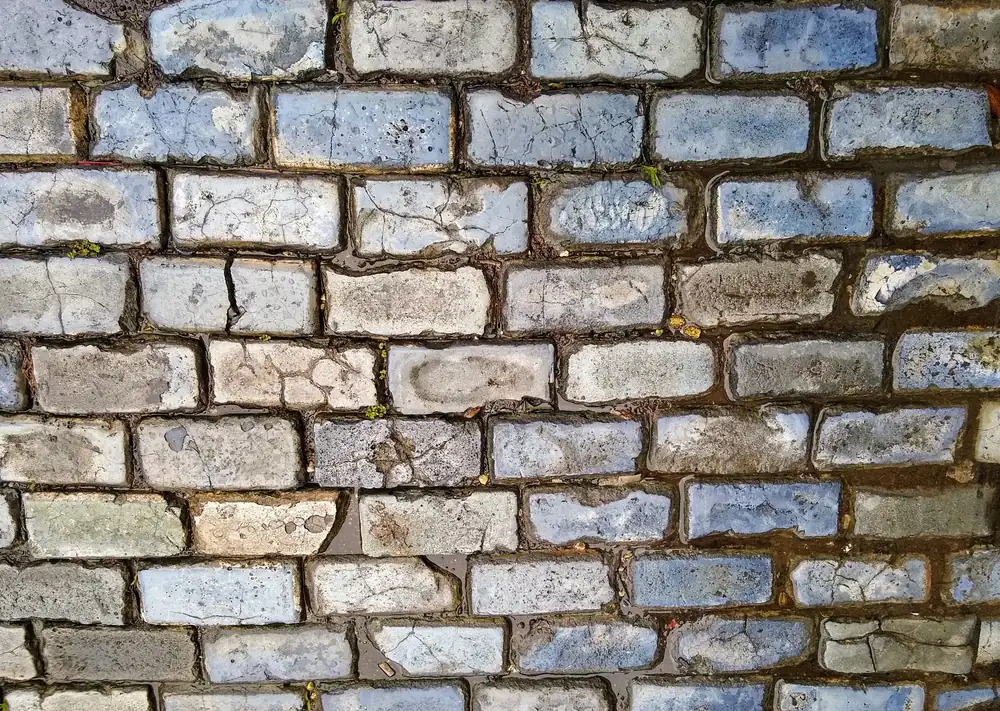
Shoes with real traction above everything else. The adoquines — the blue-grey cobblestones cast from furnace slag that came over as ship ballast — are photogenic, historic and genuinely slippery when wet, and Old San Juan is hillier than photographs suggest. Bring water, sunscreen and a hat, because both forts are largely unshaded and El Morro is exposed to sun and wind across its whole footprint. Carry a card for admission, download your maps and tour confirmations before you lose signal, and check the all-aboard time rather than the scheduled departure.
Second in our port-guide series. See also Grand Turk in eight hours and Perfect Day at CocoCay, plus the Caribbean ports worth skipping in 2026. San Juan is also a homeport: if you are sailing from here, the fall 2026 repositioning fare math covers the Southern Caribbean weeks that start in this harbour.
Sailing from San Juan, or just calling there?
Tell me your itinerary and I will tell you which ports deserve an excursion, which ones are a ticket and a good pair of shoes, and where the timing actually gets tight. San Juan is firmly in the second category — plenty of ports are not.
Ask PaoloSources
- National Park Service — San Juan National Historic Site, fees and passes
- National Park Service — San Juan National Historic Site, accessibility
- National Park Service — San Juan National Historic Site, operating hours and seasons
- National Park Service — San Juan National Historic Site, current conditions and alerts
- Puerto Rico Tourism Company Taxi Turístico zone tariff (published zone-to-zone rate table)
- San Juan Puerto Rico — taxi guide, zones and surcharges
- Discover Puerto Rico — exploring Castillo San Felipe del Morro
Images
- Castillo San Felipe del Morro and its lighthouse — Godot13, CC BY-SA 4.0, via Wikimedia Commons.
- Blue adoquines, Old San Juan — P. Hughes, CC BY-SA 4.0, via Wikimedia Commons.
Change disclaimer. Checked 29 August 2026 against the National Park Service fee and accessibility pages for San Juan National Historic Site and the published Puerto Rico Tourism Company Taxi Turístico zone tariff. Admission fees, operating hours, closures, taxi tariffs, pier assignments and restaurant pricing all change, and the forts can close areas for conservation work without notice. This article is informational and is not a booking or a guarantee of availability. Where the National Park Service, the posted taxi rate card or your cruise line differ from anything here, theirs governs. OTGG is an independent travel advisor affiliated with Nexion Travel Group; third-party operators, transport providers, attractions and cruise lines control their own schedules, terms, pricing and availability.