The travel landscape is always shifting, and 2026 brings some interesting changes. Here's a look at what The Points Guy experts are seeing — from where your dollar will go furthest to the emerging destinations worth watching.
Where Your Dollar Actually Stretches
Economic shifts mean your dollar might not stretch as far in some popular international spots — the Eurozone and the UK chief among them. That doesn't make Europe off-limits; it just means the arithmetic has moved, and the same budget buys a noticeably different trip than it did two years ago.
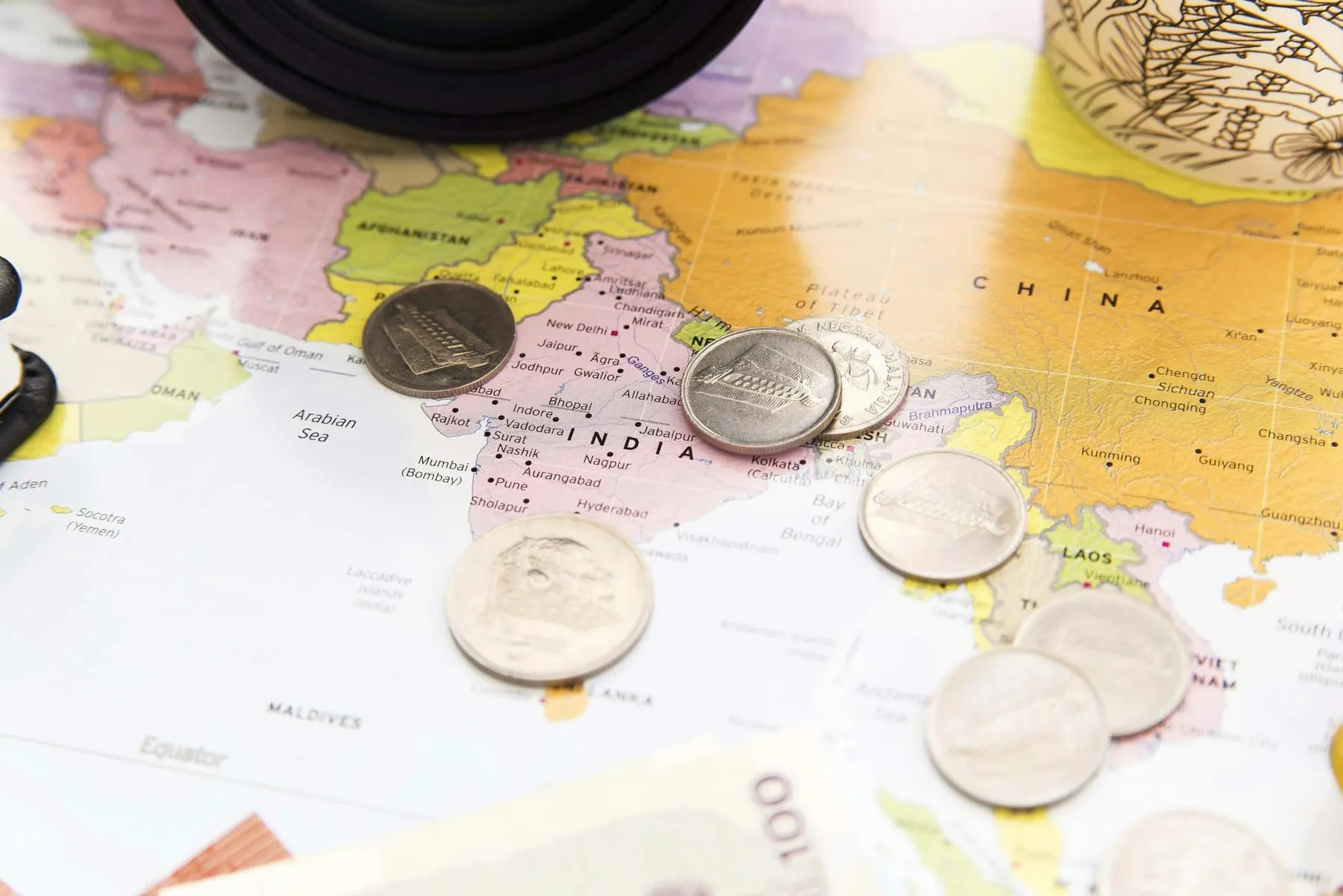
Other destinations are running the other direction. Brazil, New Zealand, and the East Caribbean — Anguilla, St. Kitts and Nevis, St. Lucia — currently offer stronger value for U.S. travelers. If you're flexible on where rather than when, that's where the leverage is this year.
"If you're flexible on where rather than when, that's where the leverage is this year."
The Quiet Shift to Less-Crowded Places
There's a clear trend toward less-crowded — and often domestic — destinations. Search interest in places like Steamboat Springs, Bozeman, and Key West is soaring, and not by small margins.
Airlines and hotels are responding in the way they always do when demand shows up in the data: expanding routes and opening unique properties in these emerging areas. The practical upshot for you is that getting off the beaten path is becoming genuinely easier — fewer connections, better places to stay once you land.
By the Numbers
The shifts above aren't vibes — they show up plainly in the data:
What This Means for Your 2026 Planning
None of this says "don't go to Europe." It says the default answers are worth re-examining. A weaker dollar against the euro and pound, paired with genuinely strong value in Brazil, New Zealand, and the East Caribbean, means the same budget can buy a materially better trip if you're willing to move the pin on the map.
And where new routes and new properties are opening — the Steamboat Springs and Key Wests of the list — early is better than late. Emerging destinations are pleasant precisely because they haven't been discovered yet. That window closes.
Source: trend reporting and search-volume data from The Points Guy. Figures cited are 2025 full- and half-year comparisons as reported at time of writing.
Cruise Prices Are Rising
Why booking early is key for 2026, 2027 & 2028 voyages.
The days of finding last-minute cruise deals are largely behind us, as demand soars past historical benchmarks and pricing algorithms adjust fares multiple times daily. With global cruisers projected to exceed 39 million and load factors consistently over 110%, booking 12-18 months in advance is now essential to secure your preferred ship and itinerary. This new reality, driven by economic shifts and AI-powered revenue management, means planning ahead is key for favorable rates.
Why Cruises Are Getting More Expensive
Cruising has long been a fantastic value, but we're seeing a shift in pricing for 2026 and 2027 voyages. This isn't random; it's due to six key forces impacting the industry.
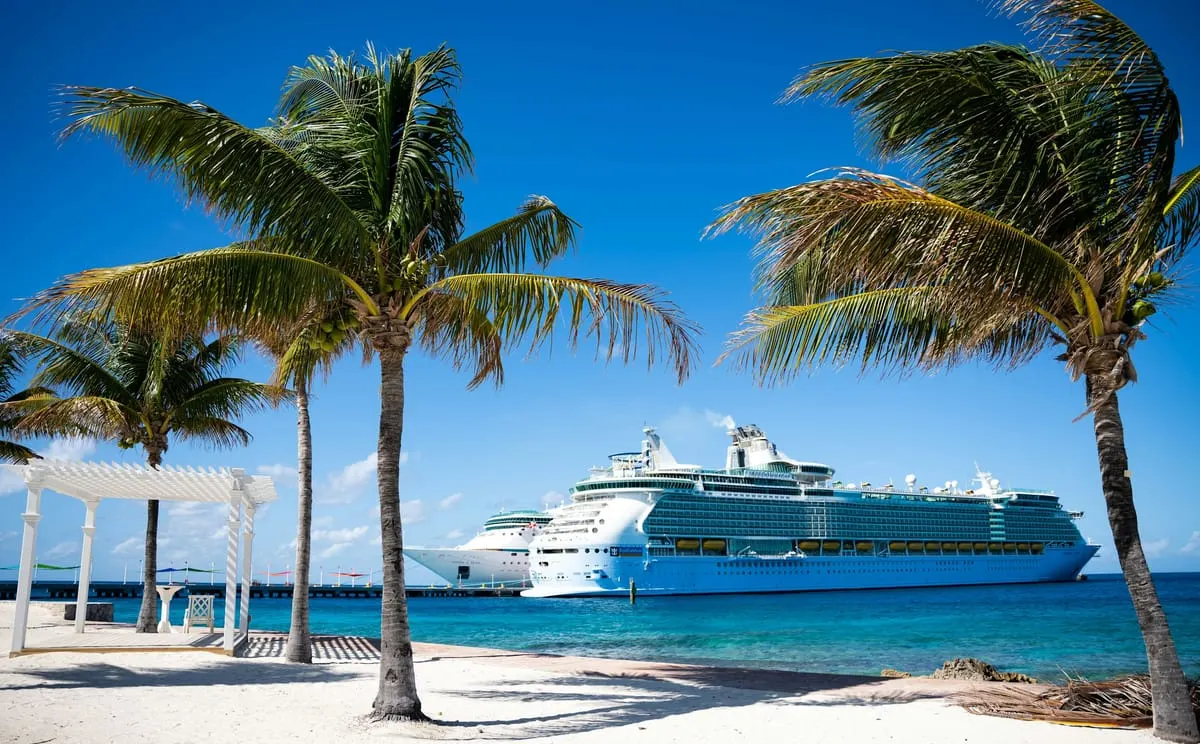
For years, cruising offered incredible value with everything included, often at a lower daily cost than land resorts. However, as we look ahead to 2026 and 2027, we're seeing a notable increase in prices, fewer last-minute deals, and more ancillary fees. This change is driven by six specific economic, technological, and structural factors affecting the cruise industry.
- 2026 and 2027 Voyages Travelers are encountering a different financial reality for these bookings.
- Average Ticket Prices Climbing across major contemporary and premium lines.
- Last-Minute Discounts Have largely vanished.
- Ancillary Fees Continue to mount.
- Six Distinct Forces Economic, technological, and structural factors are converging on the global cruise industry.
Cruise Demand Soars: Book Early for Best Selection
The cruise industry is experiencing record-breaking demand, with ships booking out well in advance. This means fewer last-minute deals and the best selection goes to those who plan ahead.
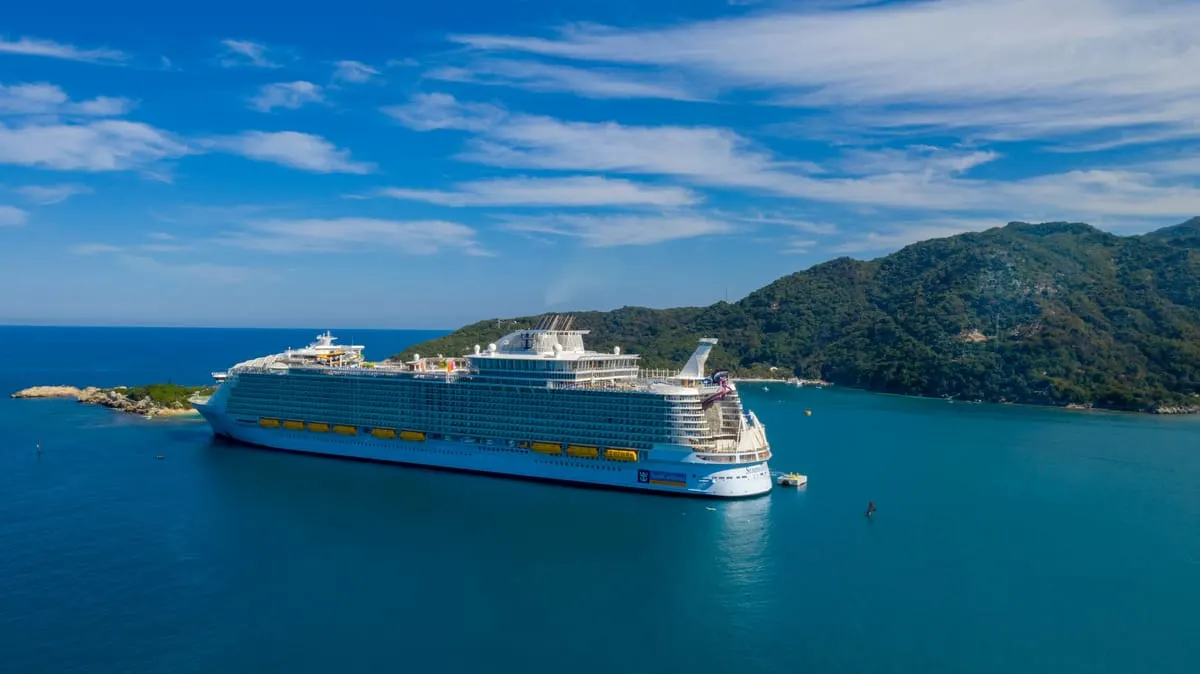
The surge in global cruise appetite has pushed demand past all historical benchmarks. With finite fleet capacity and popular ships booking out far in advance, major cruise lines have little incentive to offer broad promotional discounts. Planning your cruise well ahead is more important than ever to secure your preferred ship and itinerary.
- Global Cruisers Projected over 39 million globally
- Load Factors Consistently exceeding 110% (double occupancy)
- Booking Window Booking Window: 12-18 months in advance
- Royal Caribbean Group Q2 2026 Royal Caribbean Group Q2 2026 · Reported record revenues and raised full-year guidance
The New Reality of Cruise Pricing
Forget last-minute deals! Cruise lines are now using AI to set prices, much like airlines. This means fares can change multiple times a day based on demand, so booking early is more important than ever.

Modern cruise lines have fully embraced airline-style algorithmic revenue management, powered by advanced artificial intelligence. These proprietary systems analyze real-time search activity, booking velocity, cabin occupancy, competitor pricing, and historical demand data. Instead of cutting prices to fill empty cabins close to departure, pricing algorithms maintain strict price integrity and elevate fares as inventory shrinks. This new approach means that securing your desired cruise at a favorable rate often requires booking further in advance.
- AI-Driven Pricing Fares adjust multiple times daily based on real-time demand.
- No More Last-Minute Deals The old 'fire sale' culture has been systematically dismantled.
- Royal Caribbean Utilizes aggressive, real-time daily adjustments.
- Norwegian Cruise Line (NCL) Has shifted toward strategic base-loading.
Cruise Fuel Costs Impacting Fares
Recent geopolitical tensions and fuel price volatility are directly affecting cruise line operating costs, which in turn are being factored into passenger ticket prices. It's a good time to consider booking sooner rather than later to lock in current rates.
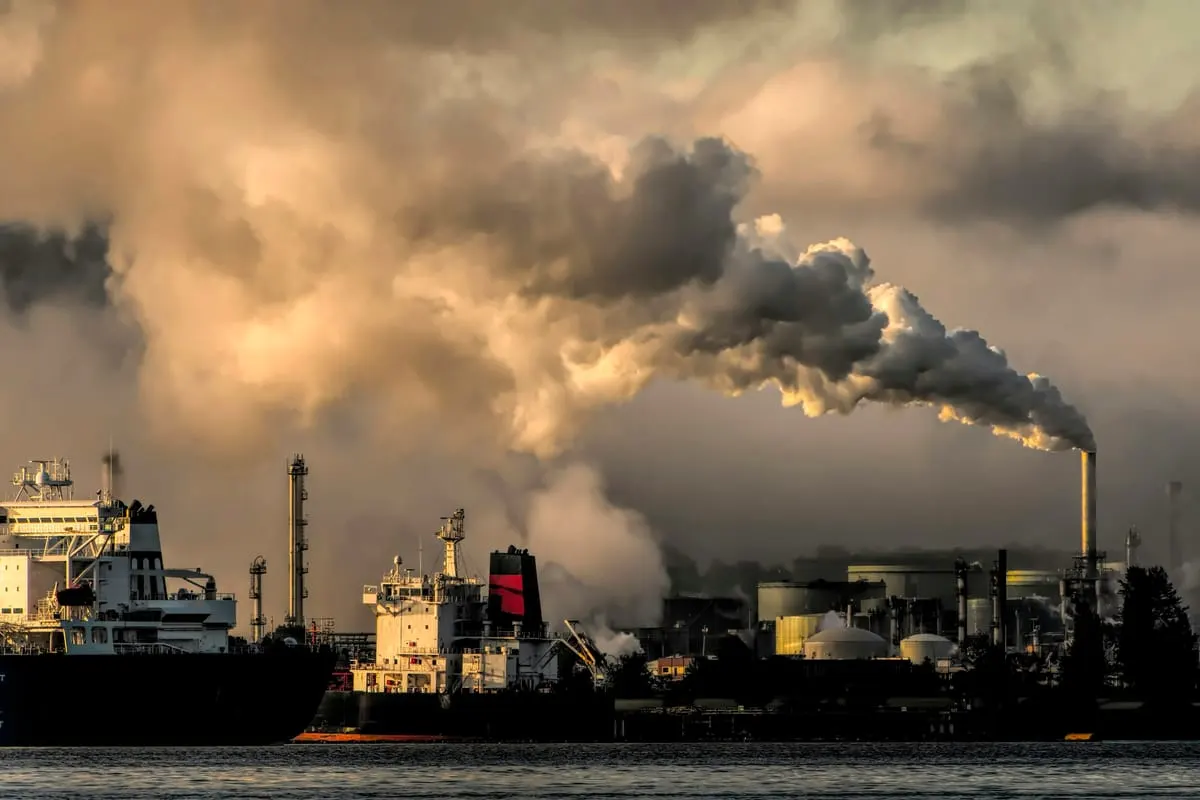
The cruise sector, operating massive floating resorts, is highly exposed to macroeconomic and geopolitical disruptions due to the immense quantities of bunker fuel required. Ongoing conflicts and instabilities in maritime chokepoints have driven fuel prices upward, severely pressuring operating margins for cruise lines. These increased operating costs are systematically factored into passenger ticket pricing, so we're seeing adjustments across the board.
- Carnival Corporation Does not actively hedge fuel costs, making it vulnerable to crude oil volatility.
- Fuel Price Impact A 10% swing in fuel prices impacts Carnival's annual net income by $145 million to $156 million.
- Annual Fuel Budget Carnival's annual fuel budget has risen past $2.12 billion.
New Fees Impacting Cruise Travel
Heads up for cruise lovers: many popular destinations are introducing new fees and taxes to manage tourism, which will affect the total cost of your next trip. These charges are designed to help destinations maintain their infrastructure and manage visitor numbers.
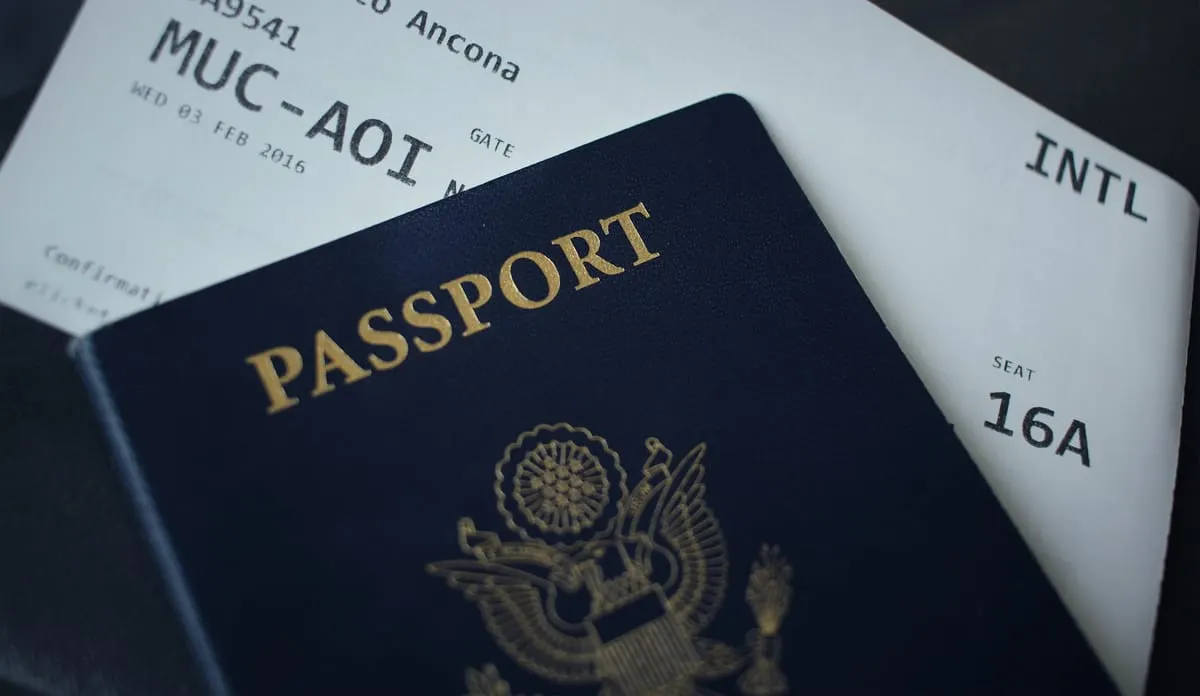
These new municipal 'head taxes,' environmental levies, and port fee hikes are being implemented by destinations worldwide to manage visitor volume and overtourism concerns. These regulatory charges compound per port of call, directly impacting the non-commissionable fare (NCF) portion of every cruise booking. It's a growing trend to be aware of when planning your next adventure.
- Greece Sustainability Tourism Fee up to €20 per passenger in peak season for islands like Santorini and Mykonos.
- Venice Historic city entry access fee expanded, ranging from €5 to €10.
- Amsterdam Municipal tourist taxes scaling up to €15 per day.
- Mexico Non-Resident Duty (DNR) doubled from $5 to $10 per person.
Understanding Cruise Fare Adjustments
You may have noticed some adjustments in cruise fares and service charges lately. This is largely due to the rising costs of building and operating these magnificent ships, as well as global inflation impacting food and labor.
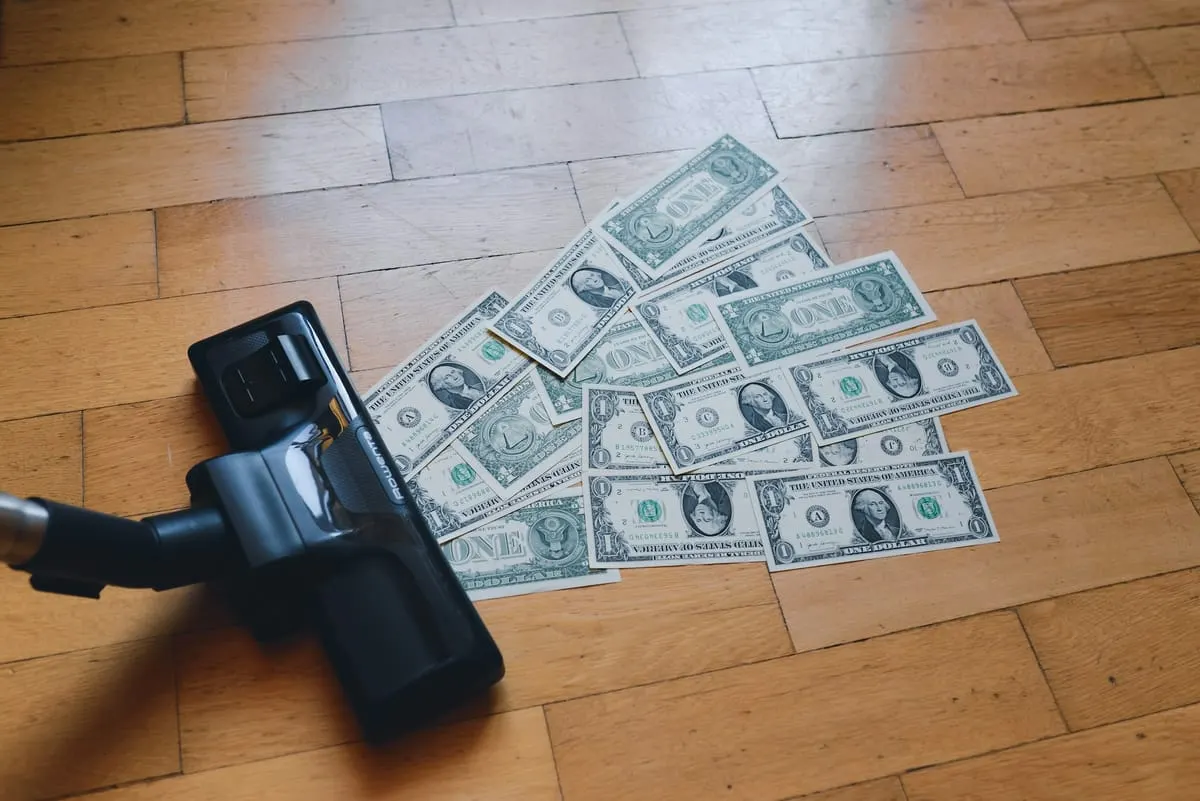
The cruise industry is facing increased expenses across the board, from the initial construction of new vessels to daily operational costs like food and staffing. While cruise lines are implementing internal cost-saving measures, some of these pressures are being passed on through adjusted fares and service charges. We're here to help you navigate these changes and find the best value for your next adventure.
- New Ship Construction Mega-ships now routinely cost over $1 billion to build, with higher financing rates.
- Global Food Provisioning Inflation has significantly increased the cost of food for cruise lines.
- Labor Expenses Post-pandemic, cruise lines are competing for specialized international crew, driving up labor costs.
- Norwegian Cruise Line Holdings (NCLH) Secured $100 million in vendor consolidation and administrative streamlining to mitigate costs.
Cruising's New Horizon: Value Beyond Land Vacations
It's an exciting time for cruising! Cruise lines are increasingly seeing themselves as competitors to land-based vacations, offering incredible value compared to rising resort and hotel prices.
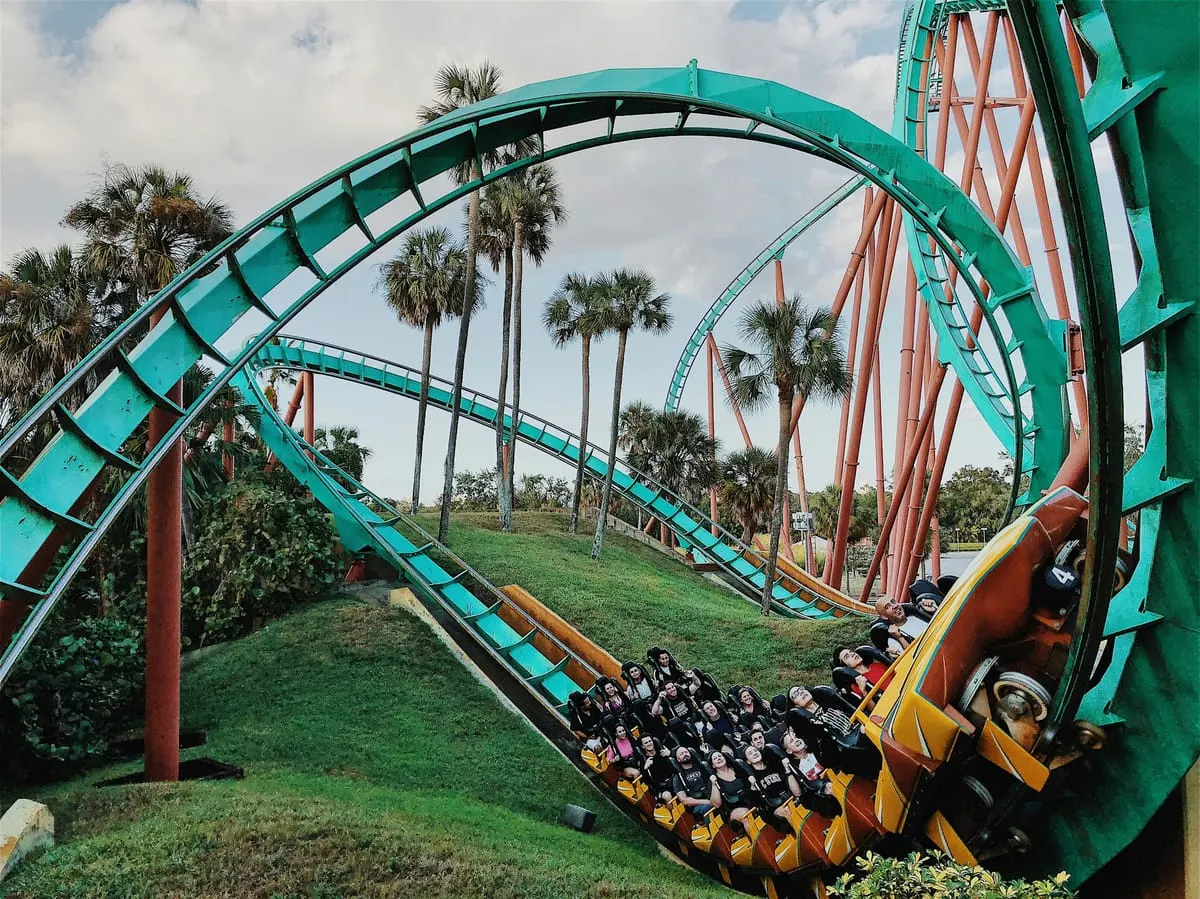
This shift means cruise lines are focusing on delivering exceptional experiences and value, rather than just competing on price against other cruise lines. They're recognizing the substantial headroom to raise base fares while still offering a compelling alternative to expensive land-based resorts, hotels, and entertainment. This focus on yield management and robust onboard spending ensures a high-quality experience for you.
- Land-based vacation prices Have skyrocketed in recent years, making cruises an even more attractive option.
- Cruise value Consumers are willing to pay for the unmatched convenience and all-inclusive nature of maritime travel.
- Royal Caribbean CEO Jason Liberty States cruise lines now compete with land-based alternatives like theme parks and European tours.
Smart Planning for Your 2026 & 2027 Getaways
The travel landscape is shifting, and waiting for last-minute deals is no longer the best strategy. Here's how to ensure you get the best value and experience for your future trips.
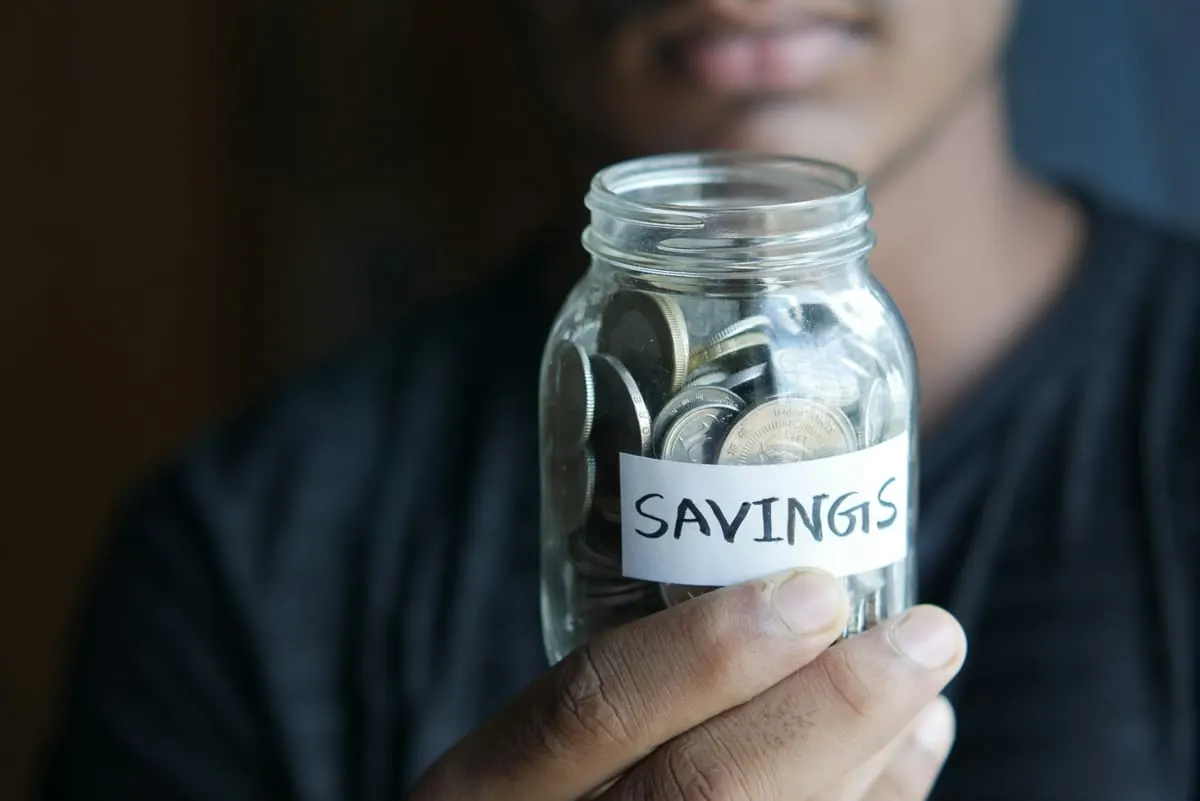
For those planning vacations in 2026 and 2027, adapting your booking strategy is key. Algorithms are driving prices up as availability decreases, making early booking more crucial than ever. By considering the full cost and the benefits of all-inclusive options, you can make more informed decisions and enjoy a more relaxing trip.
- Book Well in Advance Secure lower fares and preferred cabin selections before inventory diminishes and prices rise.
- Evaluate Total Cost Look beyond base ticket prices to include port fees, taxes, gratuities, and ancillary packages in your budget.
- Consider All-Inclusive Value Cruises bundling Wi-Fi, gratuities, specialty dining, or excursions often offer superior overall value.
- Your cruise, zero booking fees.
- Insider Tips to Maximize Perks
- Bougie On A Budget Cruising
Planning a 2026 or 2027 Getaway?
Knowing where the value is, is the easy half. Turning it into the right week, the right ship, and the right fare — before the algorithm prices it up — is the part worth having a human for.
Plan Your Getaway →