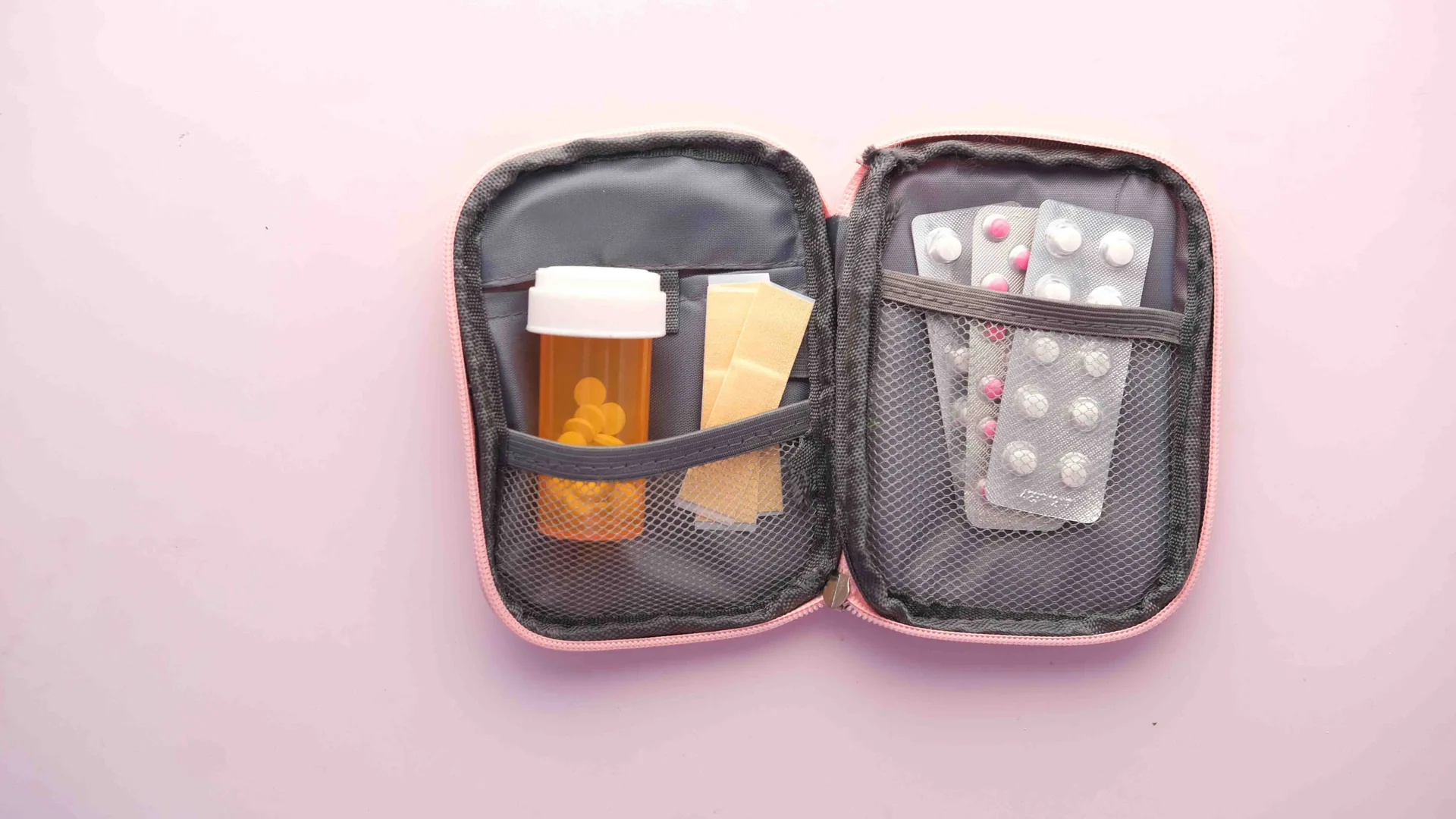
None of this is medical advice, and every clinical judgment below belongs to your own physician. What follows is the logistics: the documents, the deadlines, the delivery chain and the limits — the parts a travel advisor can actually help you get right.
The physician summary
A doctor's letter is not really for emergencies. It is for the moment a ship's medical team meets you cold, with your own physician several time zones away and asleep. Ask yours for a short summary carrying diagnoses and relevant history, current medications with generic names, dosage, strength and schedule, allergies and previous serious reactions, relevant baseline observations, the equipment you use, their own contact details, and any warning signs or recommended emergency actions.
Ask for plain, internationally understood terminology. Local abbreviations and brand names do not travel — a drug sold under one name at home may be unrecognized by a doctor trained elsewhere, and the generic name is what makes the document usable. Carry two paper copies plus a secure digital one, and keep the letter current: a summary from three years ago may describe a regimen that no longer exists.
And do not assume that submitting the accessibility form puts your medical history in front of the onboard team. Those are frequently different departments and different systems. If the line offers a route to the infirmary, use it separately.
Controlled medication and borders
A prescription valid at home is not automatically valid everywhere the ship calls. Controlled substances, stimulants, sedatives, opioids, cannabis products and some injectables can each trigger separate rules — and the countries that matter include transit points and any pre-cruise stay, not just the marquee ports.
- List every prescription and over-the-counter medication you intend to carry.
- Check the rules for each country on the itinerary, including transits.
- Ask your physician or pharmacist which of them are controlled abroad.
- Confirm whether an import permit, physician letter, translation or quantity cap applies.
- Contact the embassy or consulate where the rule is genuinely unclear.
Carry everything in original pharmacy-labeled packaging. A weekly organizer is fine for daily use on board — just do not decant into it until after border and security checks, and keep the labeled containers with you. Essential medication goes in your carry-on with a delay reserve your physician thinks appropriate, never in the hold.
Also check what is banned on the ship rather than in the country. Products legal where you live may be prohibited under the vessel's flag state, and a medical card issued at home does not override that.
Equipment: permission and logistics are two jobs
Telling the line what you are bringing is the first job. The second is the delivery chain — who is authorized to deliver, to which terminal, by when, whether it goes to your cabin or is released to you, how it is stored, and who collects it afterwards.
Oxygen is the clearest example of why a vendor's word is not enough. Virgin Voyages' published guidance states that "Sailors must make independent arrangements for the rental, delivery, and return of any oxygen", and that "liquid oxygen or large cylinder systems (greater than 680 liters or E / M-24 size) are not permitted", with types and quantities aboard potentially limited.
A supplier saying it "serves cruise ships" tells you nothing about whether that line approves that supplier, that equipment and that quantity at your embarkation port. Get the approved supplier, the permitted type and quantity, the delivery deadline and terminal procedure, where the equipment ends up, and the return process — then keep the vendor confirmation, delivery receipt, serial number and an out-of-hours number with your travel documents.
CPAP and BiPAP. Machine, mask, tubing, spare consumables and power accessories in the carry-on. Then ask about the three things that vary: distilled water, power and extension-cord rules. Lines commonly take these requests through the same accessibility form as everything else, on a shorter lead time than the general window — confirm the current figure for your sailing rather than relying on a number in an article, including this one.
Dialysis. Do not assume a ship can support ongoing treatment. Shipboard facilities are generally built for emergencies and short-term needs. Some lines permit travelers to bring their own equipment with advance coordination — a conversation to have with both the line and your treating team before you book, covering whether your treatment type is workable at sea, what you must bring, what reserve is sensible, and what happens if a port is missed or the voyage extends.
The notification window, quoted rather than paraphrased. Virgin Voyages asks travelers to "make every effort to contact us at least 45 days in advance of your voyage date." Treat that as the shape of the problem across lines: the deadline is the last acceptable moment, and accessible cabins and approved equipment slots are small fixed inventories that close long before it. Submit, save the confirmation, and reconfirm 48 hours out — asking the representative to restate the specific equipment, quantity, cabin placement, delivery method and anything still outstanding.
What the infirmary is, and is not
A cruise medical center is built for evaluation, emergency response, acute treatment and stabilization. It is not your clinic, your pharmacy, your specialist or your treating physician, and the distance between those two lists is where people get caught out.
| Capability | Generally | Note |
|---|---|---|
| Evaluate new symptoms | Yes | This is what the center is designed for |
| Urgent and emergency treatment | Yes | Evaluation, stabilization, acute care |
| Selected diagnostic tests | Yes | Range varies by ship |
| Commonly stocked medications | Yes | Common — not your specific prescription |
| Refill your exact prescription | No | Onboard pharmacies carry a limited range |
| Manage complex chronic care for weeks | No | Not a substitute for your treating physician |
| Continuous specialized treatment | No | Ask before assuming any specific therapy |
| Stock your device consumables | No | Bring your own, plus a delay reserve |
| Guarantee a hospital at the next port | No | Port infrastructure varies enormously |
Which makes insurance the load-bearing part. Medical evacuation at sea can be extraordinarily expensive, your ordinary health cover may exclude it entirely, and cruise-line charges may fall due before any reimbursement. Read the policy for emergency treatment, evacuation, repatriation, pre-existing-condition rules and equipment loss — and note that pre-existing waivers usually have to be bought within days of the deposit, which means the insurance decision is part of booking rather than something to do later.
The argument against all this
Some travelers would rather not hand medical details to a cruise line, and that is a legitimate position. The trade is simply stated: a need nobody knows about cannot be planned for, and the solutions available at 48 hours are far worse than the ones available at 45 days.
It is also worth saying plainly that a doctor's letter guarantees nothing — not boarding, not coverage, not equipment access, not treatment. The line makes its own operational and safety decisions, and medical capacity varies by ship, itinerary and port. What the documentation buys is a team that can make a good decision quickly, which is a smaller claim than most articles on this subject make and the only honest one.
Frequently asked
Do I need a doctor’s letter for a cruise?
If you manage a chronic condition, use specialized equipment, carry controlled medication, or might need urgent care, a concise physician summary is worth having. It is not for you — it is for a ship’s medical team meeting you for the first time with your own doctor several time zones away.
Can I use a weekly pill organizer?
For daily convenience on board, yes. For border and security checks, no — keep medication in its original pharmacy-labeled packaging and do not decant into an unmarked organizer until after you have cleared them.
Can the ship refill my prescription?
Do not count on it. Onboard pharmacies carry a limited range of common medications, not every drug or dosage. Bring the full course plus a delay reserve your physician considers appropriate.
Can I arrange oxygen delivery straight with a vendor?
Not safely. A vendor saying it "serves cruise ships" is not the same as the line approving that supplier, that equipment type and that quantity at your embarkation port. Virgin Voyages, for instance, requires guests to make independent arrangements for rental, delivery and return, and prohibits liquid oxygen and cylinder systems larger than 680 liters or E/M-24 size.
Is CPAP allowed on board?
Commonly yes, and the details vary — notification lead time, distilled water, power and extension-cord rules all differ by line and sometimes by ship. Bring the machine, mask, tubing and power accessories in your carry-on, and confirm the water and power arrangements for your specific sailing.
Can a ship provide dialysis?
Do not assume so. Shipboard medical facilities are generally built for emergencies and short-term needs rather than ongoing specialized treatment. Some lines permit travelers to bring their own equipment subject to advance coordination — that is a conversation with both the line and your treating team, well before booking.
Does travel insurance cover medical evacuation at sea?
Some policies do, others exclude or cap it, and many require a pre-existing-condition waiver bought within days of the deposit. Evacuation at sea can be extraordinarily expensive and cruise-line charges may be payable before any reimbursement. Read the policy and ask the insurer directly.
Verification notes and sources
Sources and facts checked: September 11, 2026 (America/New_York). Two Virgin Voyages figures are quoted verbatim from the line's own accessibility page because they verified exactly: the oxygen limits (liquid oxygen and systems above 680 liters or E/M-24 prohibited, independent rental and delivery arrangements) and the 45-day notification request. Other line-specific details in circulation — CPAP distilled-water lead times, dialysis provisions and flag-state bans on particular products — could not be confirmed on that page and are described generically here rather than asserted. Confirm each against your own sailing.
Sources
- Virgin Voyages — accessibility, oxygen procedures and notification window ↗
- CDC — cruise ship travel health guidance ↗
- US Department of State — travelers’ health abroad ↗
- Norwegian Cruise Line — accessibility and medical equipment ↗
- Off The Grid Getaways — cruise accessibility requests, deadlines and the paper trail ↗
- Off The Grid Getaways — the door-to-ship land side ↗
Photographs. Travel medical kit — Towfiqu barbhuiya, Pexels Cropped and resized for the web; not otherwise altered. Neither the photographers nor the licensors endorse this article.
This article is not medical advice, and contains no dosing, clinical thresholds or treatment guidance by design. Every clinical question here belongs to your own physician, and whether a particular itinerary or activity is appropriate for you is a judgment only they can make. Cruise-line policies, forms, equipment rules, vendor approvals, medical-center capabilities and notification windows all change — verify each with the operator, the vendor, your insurer or an accredited advisor before paying and again before departure. Nothing here guarantees boarding, coverage, equipment access or treatment.
Want the medical logistics handled properly?
Tell me the sailing and what you need to bring — oxygen, CPAP, dialysis supplies, refrigerated medication. I will get the approved supplier, the delivery route and the written confirmations from the line, and flag the deadlines that close first. Your clinical decisions stay with your physician, where they belong.
Begin the Journey