Madrid is rarely your cruise port. It is the city stay before or after a sailing from Barcelona or Valencia, and the trip works or fails on four logistics decisions: how you get in from Barajas, which neighborhood you sleep in, whether you are there for Pride, and how much time you leave for the train to the ship.
Sources and facts checked: October 7, 2026 (America/New_York). Airport fares, rail timetables, Pride dates and closures, hotel policies and cruise terminal arrangements change. Check and verify with the operator, organizer or cruise line before you travel.
Chueca is the obvious anchor for LGBTQ+ travelers, and it is a good one. But the neighborhood choice is really a transport choice, and the transfer to the ship is where a Madrid add-on most often goes wrong.
Getting in from Barajas
Madrid-Barajas sits northeast of the center, and there are four practical ways into the city.
- Taxi: a fixed €33 fare between the airport and any address inside the M-30 ring road, which covers central Madrid, including Chueca, Malasaña, Lavapiés and Centro. The fixed rate carries no night, holiday or luggage surcharge. Use the official taxi rank, not an approach in the arrivals hall.
- Airport Express bus (line 203): €5, runs 24 hours, about 40 minutes. It ends at Atocha station during the day (6 a.m. to 11:30 p.m.) and at Plaza de Cibeles overnight. It is the simplest public option with luggage.
- Metro line 8: connects the terminals to Nuevos Ministerios, where you change lines. An airport supplement is added to the normal fare. Good value if you travel light; less pleasant with large cases and changes of level.
- Cercanías commuter rail: runs from Terminal 4 to Chamartín and Atocha. Useful if your hotel is near either station or you are connecting straight to a long-distance train.
For a first night, after a long flight, with luggage, the fixed taxi fare is often worth it: it takes you to the door, and split between three travelers it costs about what three Express bus tickets and a short onward taxi would.
Check and verify current fares and service hours with the operator before you travel.
Choose the base by transit, not only by scene
Base yourself in or near Chueca if you want the easiest access to Madrid's established LGBTQ+ neighborhood. Madrid's official tourism office identifies it as the focal point of the city's Pride activity. It is compact and walkable, and the Chueca and Gran Vía Metro stations put most of the center within a short ride.
The trade-offs between central neighborhoods are mostly about noise, access and where your train leaves from:
- Chueca: best for proximity to LGBTQ+ nightlife and Pride. Expect late-night street noise, especially on weekends and during Pride week.
- Malasaña: independent shops, cafés and a creative scene, next door to Chueca and slightly less concentrated at night.
- Lavapiés: multicultural and eclectic, with a strong food scene, and close to Atocha station. Research the exact block and the late-night walk back before booking.
- Centro near Gran Vía or Sol: convenient for the major sights and for transport, but busier and noisier.
- Near Atocha: the least atmospheric choice and the most practical one if you are catching an early train to Barcelona or Valencia.
Choose the hotel before the nightlife plan. Confirm air-conditioning, lift access, step-free entry, bathroom layout, street noise and late check-in in writing. A room "five minutes from Chueca" in a listing is a claim to check on a map, not a fact.
Getting around once you are there
Central Madrid is walkable, and the Metro covers the rest. Step-free access is not universal: some stations have lifts at every level and some do not, and a lift out of service can turn a simple route into a long detour. Check the route for each journey you depend on, not just the station at your hotel.
For disability-specific venue access, documentation and Metro limitations, use OTGG's separate guide, Accessible Madrid: The Prado, Royal Palace and Metro. This article covers the logistics around a stay; that one covers access in detail.
Build each day around one major indoor attraction, one outdoor area and a flexible meal. That rhythm works for solo travelers, couples, groups and multigenerational families, and it leaves room for the unplanned lunch Madrid rewards. Do not stack the Prado, the Royal Palace and a full evening out on the same day unless your group genuinely enjoys that pace.
Pride week changes every logistics decision
Madrid Pride, known as MADO, is one of the city's largest annual events. It centers on Chueca and spreads across central Madrid, and the main march runs from Atocha, at the Glorieta del Emperador Carlos V, to Plaza de Colón along the Paseo del Prado, Recoletos and Cibeles.
It is held around the turn of June and July. For 2026 the festival ran from June 25 to July 5, with the march on Saturday, July 4. Madrid's tourism board has published provisional 2027 dates, but every line is still marked to be confirmed, so take the dates, route and timings from the official MADO website and the Madrid tourism calendar before you book anything.
What Pride week does to the trip:
- Hotel demand and prices rise sharply, and minimum stays appear. Book early, with a cancellable rate.
- Streets along the march route close, and the Metro stations nearest it get crowded or closed. Taxis cannot reach some addresses.
- Atocha, the main high-speed station for Barcelona and Valencia, sits at the start of the march route. Do not plan a train out of Atocha on march day.
- Restaurant reservations matter more than usual.
- A march end time is not a reliable airport, rail or ship-transfer time.
- Accessibility arrangements for viewing areas and quiet spaces must be confirmed with the organizer, not assumed from the city's reputation.
If you want Madrid's queer culture without the full festival intensity, choose spring or autumn.
Heat sets the daily schedule in summer
Madrid is genuinely punishing in high summer. The city's official climate guidance notes temperatures that can exceed 35°C (95°F). Spring and autumn are the better windows for walking, museums and outdoor dining.
If you travel in July or August, move outdoor plans to early morning and evening, keep the middle of the day flexible, and treat reliable air-conditioning as a requirement rather than an amenity. Heat affects medication storage, fatigue, mobility, hydration and how long a group can stay outdoors. Consult a medical professional for advice specific to your health needs.
The train to your ship
Madrid connects by high-speed rail to both of Spain's main Mediterranean embarkation ports. Several operators run the routes, including Renfe, Iryo and Ouigo, and they differ on fares, luggage allowances, seat options and which Madrid station they use.
Madrid to Barcelona
The fastest services take roughly two and a half hours, and many take around three. Trains leave from Madrid Puerta de Atocha-Almudena Grandes or Chamartín and arrive at Barcelona Sants. From Sants you still need a taxi or a transfer to the cruise terminal, which adds time and depends on which terminal your ship uses.
Check the Port of Barcelona passenger-terminal information and the port's transport information, and confirm your terminal in writing with the cruise line. Terminal assignment is not a detail to guess from an old blog post.
Madrid to Valencia
The fastest trains reach Valencia Joaquín Sorolla in just under two hours. The cruise facilities sit within the Port of Valencia, a separate transfer from the station. Check the current Valenciaport cruise information and Visit Valencia cruise guidance against your booking.
Protect the sailing with a night in the port city
A same-day Madrid-to-ship transfer looks efficient on a timetable. It still fails after one rail delay, a luggage problem, a terminal change or a Pride-week closure. The ship will not wait for a train.
The safer pattern is Madrid first, then the train to Barcelona or Valencia the day before embarkation, with one night near the port. You lose a Madrid evening and gain a sailing you cannot miss. After the cruise, the order reverses easily: disembark, take an afternoon train, and spend your last nights in Madrid.
Confirm the recommended terminal arrival time with the cruise line and keep the answer in writing.
Verify before you pay
- Confirm the hotel's lift, entrance, bathroom, air-conditioning and noise details in writing.
- Check that the hotel is actually in or near Chueca, not just marketed as central.
- Confirm current airport transfer fares and service hours with the operator.
- Verify Pride dates, the march route, closures and access arrangements through the official MADO and Madrid tourism sources.
- Check Metro disruptions and step-free routes for each journey you depend on.
- Confirm the train's departure station, luggage allowance, fare conditions and change rules with the rail operator.
- Confirm your cruise terminal and recommended arrival window with the cruise line.
- Leave at least one night between Madrid and embarkation.
Devil’s Advocate: Madrid may not be your best pre-cruise base
Madrid is culturally rich, queer-visible and easy to build a land stay around. It is also inland, hot in summer, and a train ride from both Barcelona and Valencia.
If your priority is minimum transfer risk, stay in the embarkation city. If your priority is Pride, queer culture, museums and a proper city break, Madrid earns the extra rail segment, provided you put it before the night in the port city rather than on embarkation morning. It cannot be both the safest logistics choice and the most interesting one. It is a trade-off, and the buffer night is how you pay for it.
Frequently asked
What is the easiest way from Madrid airport to Chueca?
A taxi at the fixed €33 fare is the simplest, door to door, with luggage. The Airport Express bus is €5 and runs 24 hours, but it ends at Atocha by day or Cibeles at night, so you still need a short Metro ride or taxi from there.
Can I take a train from Madrid to my cruise on the day I sail?
You can, but it is the riskiest way to do it. Take the train the day before, stay near the port, and keep Madrid at the start of the trip or after the cruise.
Should I avoid traveling during Madrid Pride?
Only if you want a quiet city. If you are going for Pride, book early, stay within walking distance of Chueca, and do not plan a train out of Atocha on march day.
Is Chueca the only LGBTQ+ area in Madrid?
No. Chueca is the best-known hub, but queer life extends into neighboring Malasaña and other central areas. The atmosphere and venue mix vary by street.
What is the best season for a Madrid stay before a cruise?
Spring and autumn. High summer can exceed 35°C (95°F), which makes long walking days and luggage transfers harder.
Sources and facts checked: October 7, 2026 (America/New_York). Official Madrid tourism, airport transport, event-organizer, rail and port information were reviewed on the date shown.
Sources
- madridorgullo.com — MADO website ↗
- esmadrid.com — Madrid tourism calendar ↗
- portdebarcelona.cat — Port of Barcelona passenger-terminal information ↗
- portdebarcelona.cat — Port's transport information, ↗
- valenciaport.com — Valenciaport cruise information ↗
- visitvalencia.com — Visit Valencia cruise guidance ↗
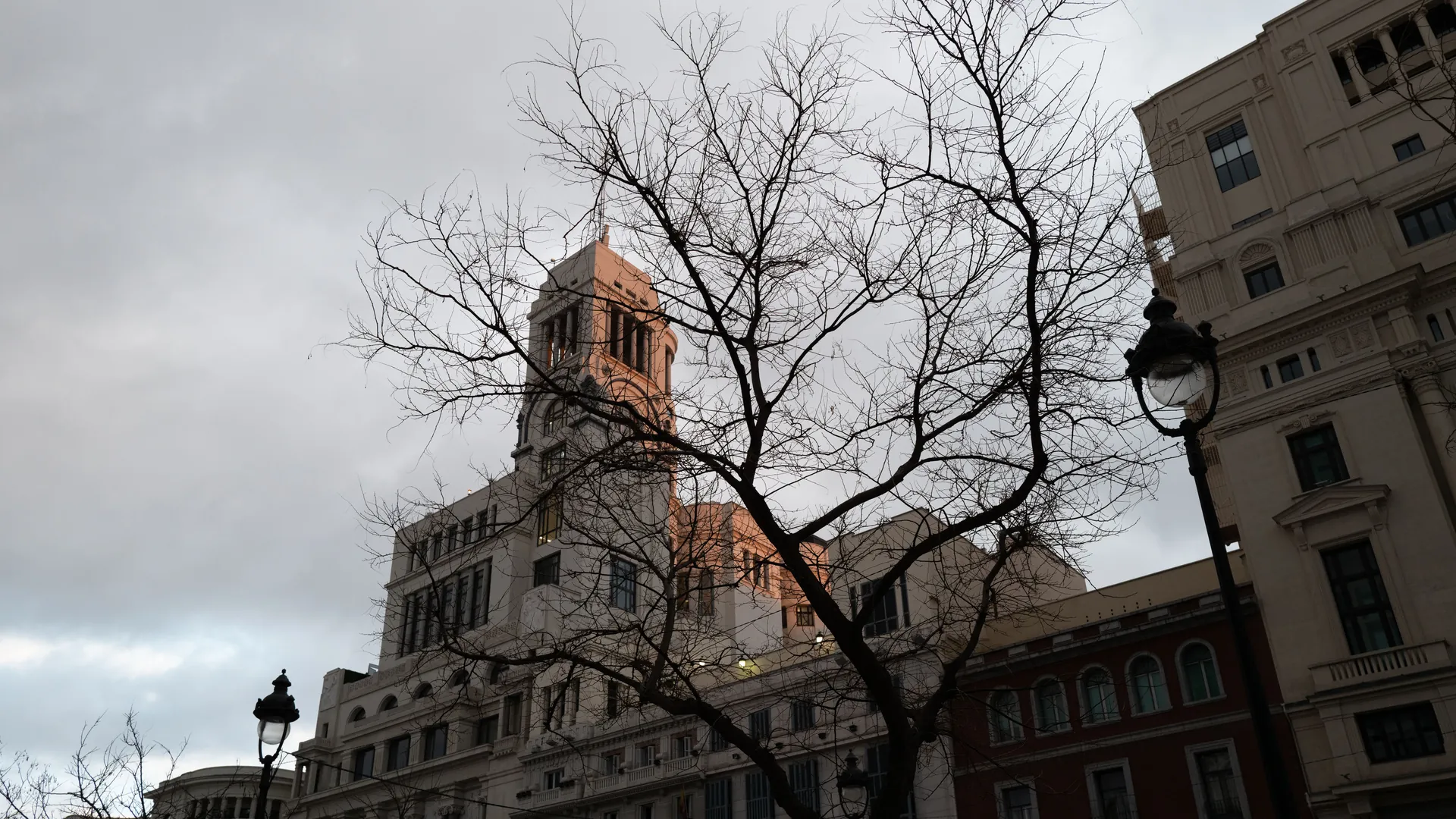
Photographs. The Madrid skyline at sunset — Joshuan Barboza, Pexels Cropped and resized for the web; not otherwise altered. Neither the photographers nor the licensors endorse this article.
This article is general information, not medical, legal, financial or safety advice. OTGG is an independent travel advisor; this article contains no affiliate links. Cruise line and supplier policies, rates, promotions, inclusions, accessibility procedures and deposit schedules change — verify all details with the operator or an accredited travel advisor before booking or payment.
Adding Madrid to a Barcelona or Valencia sailing?
Tell me your sailing and how many nights you want in Madrid. I will suggest the base, book the train with a buffer night in the port city, and check what Pride or the heat does to your dates.
Begin the Journey






















