Paying a cruise balance in full should close one chapter. It does not always end every possible billing question.
Sources and facts checked: September 19, 2026 (America/New_York). Payment terms, permitted post-payment charges and dispute windows differ by line, fare and jurisdiction, and change. Nothing here is legal advice. Check and verify with the cruise line before you act.
A later charge may reflect a legitimate item, such as a permitted tax adjustment, a newly added service, or onboard spending. It may also reflect a duplicated transaction, a pending authorization, a booking correction, or an amount that does not match the agreement you accepted.
The distinction matters. Do not pay a new amount automatically. First identify what changed, who authorized it, and which written term supports it.
What the reported Princess case shows
On 17 September 2026, The Boston Globe reported that Deborah Keck received a Princess document showing a zero balance and “paid in full” status for a booking that included a suite upgrade, then later faced an additional charge of approximately $3,967. The report said she was offered a choice between paying the additional amount or giving up the upgrade.
The distinction matters more than the number. According to The Boston Globe’s account, this was not a charge for something newly requested. Keck had already upgraded and had been told the balance was settled. The line then sought to correct what the report characterizes as an internal pricing or calculation error on its own side — after it had confirmed payment in full. That is a materially different scenario from the routine post-payment additions listed later in this article, and it is the more consequential version of the problem: a supplier unilaterally revisiting a price it had already quoted and confirmed.
This is a single reported case from The Boston Globe, not proof of a general Princess billing practice. The relevant question is not whether every post-payment charge is improper. It is whether the later amount is:
- A charge for something newly requested.
- A permitted adjustment under the booking terms.
- A duplicated or unauthorized transaction.
- A fare or upgrade recalculation that conflicts with the written booking record.
No separate written Princess response to that specific reported case was located in the sources reviewed. Treat the report as a case study in documentation and escalation, not as a finding against the cruise line.
Princess also operates a formal post-final-payment upgrade bidding system, Princess Upgrade, administered by Plusgrade. Published details of that programme state that bidding opens only after final payment, that bids are charged per person on the basis of double occupancy, that a solo traveller pays 200 per cent of the bid, and that accepted bids are final and non-refundable. Check and verify with the cruise line. on those programme terms. Whether the reported case involved the bidding programme or a direct-purchase fare difference could not be confirmed from the accessible text of the report, and the applicable policy language would differ between the two. The reconciliation guidance below covers the questions to ask in either case.

Why Princess’s payment structure matters
Princess’s written cancellation and refund policy distinguishes between bookings made before and after 2 September 2026. Check and verify with the cruise line.
For applicable new bookings made on or after that date, Princess states that cruises of up to 44 days have final payment due 120 days before departure, with a 100% cancellation fee at 60 days or less. Check and verify with the cruise line. The policy also provides separate schedules for cruises of 45 days or more. Check and verify with the cruise line.
The earlier structure for bookings made before the change included:
- Cruises of 1 to 13 days: final payment at 90 days and a 100% cancellation fee at 30 days or less. Check and verify with the cruise line.
- Cruises of 14 to 24 days: final payment at 120 days and a 100% cancellation fee at 60 days or less. Check and verify with the cruise line.
- Longer voyages: separate payment and cancellation bands. Check and verify with the cruise line.
The exact terms depend on the booking date, departure date, voyage length, fare type, market, and any special promotion. Your booking confirmation controls the practical starting point. Do not rely on a general article, an old invoice, or a screenshot from another traveller.
For background, see OTGG’s Princess 2028: Bigger Seasons, Tighter Terms. That article explains the policy change. This article takes a different angle: what to do when the balance was already paid and the account later changes.
The first question: pending, posted, or merely requested?
Before escalating, determine what actually happened.
A pending authorization
A pending card authorization is not necessarily a final charge. Cruise suppliers may use temporary holds for onboard spending or payment processing. Ask your card issuer whether the amount is pending or posted, and ask the supplier to identify the authorization.
A posted transaction
A posted transaction has settled against your account. Record the date, amount, merchant descriptor, and last four digits of the card. Compare it with the payment history in your booking portal.
A demand for payment
A letter or email asking for money is not the same as a charge. Verify it through the official supplier contact information on your booking confirmation. Do not use a phone number or payment link supplied only in a suspicious message.
What to request in writing at final payment
At final payment, request and save:
- A complete invoice showing the fare, taxes, fees, packages, insurance, deposits, credits, and total paid.
- The exact balance due and confirmation that the balance is zero after payment.
- The booking terms and cancellation schedule attached to your reservation.
- Written confirmation of every upgrade, package, cabin change, promotional credit, or repricing.
- The payment receipt, transaction date, and payment reference.
- The name or department confirming the account status.
Use a simple request:
Please confirm the total amount paid, the current balance, the fare and cabin category attached to this booking, and whether any additional payment is expected under the applicable booking terms.
Keep the response with the invoice. A “paid in full” email without the underlying fare breakdown is useful, but a complete payment record is stronger.
How to reconcile a later charge
Create a small comparison table with four columns:
| Item | Final invoice | Later notice or charge | Explanation requested |
|---|---|---|---|
| Base cruise fare | $___ | $___ | Fare or upgrade adjustment? |
| Taxes and fees | $___ | $___ | Which tax or fee changed? |
| Packages or services | $___ | $___ | Was this newly requested? |
| Credits or refunds | $___ | $___ | Was the credit removed? |
Then ask the supplier to identify the exact line item and the written term supporting it.
Do not describe the charge as illegal or fraudulent unless a qualified professional has established that. Use factual language: “The amount does not match my paid-in-full invoice,” or “I did not authorize this additional service.”
The escalation ladder
Step 1: Ask the supplier to correct or explain it
Contact the cruise line or booking channel in writing. Include the booking number, sailing date, final invoice, proof of payment, and the later notice or card statement.
Ask for:
- The charge description.
- The date it was created.
- The reason it was added.
- The contract or booking term supporting it.
- Confirmation that the booking remains active.
- A written correction or refund decision.
Step 2: Escalate to a supervisor or customer-relations team
If the first response does not resolve the issue, request escalation. Keep a dated call log. After every phone conversation, send a short email summarizing what was discussed and ask the supplier to correct anything inaccurate.
Step 3: Involve the advisor
If an accredited travel advisor booked the reservation, ask the advisor to document the dispute through the supplier’s professional channel. The advisor should not simply forward a complaint. The useful record includes the original quote, fare rules, booking history, payment receipts, supplier responses, and the specific resolution requested.
Step 4: Ask the card issuer about a dispute
A credit-card dispute may be appropriate when a posted amount is unauthorized, duplicated, or materially different from the agreed service and the merchant has not corrected it.
It is not automatically appropriate because you dislike a cancellation fee, changed your mind, or want to bypass the supplier’s contract terms. A chargeback can lead to a supplier response, account restrictions, collection activity, or a dispute under the booking agreement. Ask your issuer about the consequences before filing.
For certain billing-error protections, federal law generally requires timely written notice; confirm the applicable deadline and procedure with your issuer. The Consumer Financial Protection Bureau says that, for certain federal billing-error rights, consumers should contact the card company promptly and send a written billing-error notice within 60 calendar days after the charge appeared on the statement. Check and verify with the cruise line. Issuer procedures and deadlines can differ. Follow the instructions on your statement and keep copies of everything submitted.
What OTGG documents for a client
Off The Grid Getaways (OTGG) is an independent travel advisory service, not the cruise supplier. When OTGG is involved in a billing dispute, the advisor’s documentation process should include:
- The original quote and fare basis.
- The booking confirmation and applicable terms.
- Every invoice and payment receipt.
- The final-payment confirmation.
- Screenshots showing the account balance.
- A timeline of calls, emails, names, and case numbers.
- The client’s requested resolution.
- Copies of supplier responses.
- Any card-issuer dispute reference, without misrepresenting the facts.
The advisor’s role is to create a clean record, communicate through the correct channels, and advocate for a documented answer. It is not to promise a refund, provide legal advice, or decide the card issuer’s outcome.

Devil’s Advocate: the charge may be valid
A zero balance usually refers to the balance shown at that point in the booking system. It does not necessarily cover every future transaction.
A later amount may be valid if you:
- Added a guest, package, excursion, transfer, or insurance.
- Accepted a cabin upgrade after the original invoice.
- Incurred onboard charges.
- Received a permitted tax or fee adjustment.
- Had a temporary authorization settle differently from the original hold.
That is why the first request should be an itemized explanation, not an accusation. It is also why this framing has limits: none of the categories above describes a supplier reversing a price it had already confirmed in writing, which is the scenario the reported case illustrates.
Verify before you pay
- Confirm whether the amount is pending, posted, or only requested.
- Compare the new amount with the final paid invoice.
- Ask which exact booking item changed.
- Request the contract clause or booking term in writing.
- Verify any message through an official supplier channel.
- Confirm that no upgrade or package was added.
- Save the zero-balance confirmation.
- Record every call, case number, and response.
- Contact the advisor, if one handled the booking.
- Ask the card issuer about its dispute process and deadlines before filing.
- Mark all dates, fees, and policy thresholds for live recheck before relying on them.
Frequently asked
Can a cruise line charge anything after final payment?
It depends on the item and the applicable booking terms. New purchases, onboard spending, and contract-permitted adjustments are different from an unexplained change to the base fare. Request an itemized explanation.
Does “paid in full” mean no future charge is possible?
It confirms the recorded balance at that time. It does not automatically prevent later charges for newly requested services or separate onboard transactions. It is important evidence when a later charge does not match the agreement.
Should I file a chargeback immediately?
Usually, first verify the charge and ask the supplier to correct or explain it. Contact your card issuer promptly if the amount is unauthorized or incorrectly billed, and ask about the issuer’s process before disputing.
What if Princess says the amount came from an upgrade?
Ask for the upgrade authorization, the original and revised fare breakdowns, the date of the change, and the written terms governing it. Do not rely on a verbal explanation alone.
Sources
- Princess Cruises: Standard Policy for Guest Cancellations, Refunds & Final Payment - Princess Cruises: Passage Contract - Consumer Financial Protection Bureau: How do I dispute a charge on my credit card bill? - The Boston Globe: Reported Princess post-payment charge case - OTGG: Princess in 2028: Bigger Seasons, Tighter Terms
Sources and facts checked: September 19, 2026 (America/New_York). Cruise line published payment and booking terms, and card-network dispute guidance, were reviewed on the date shown.
Sources
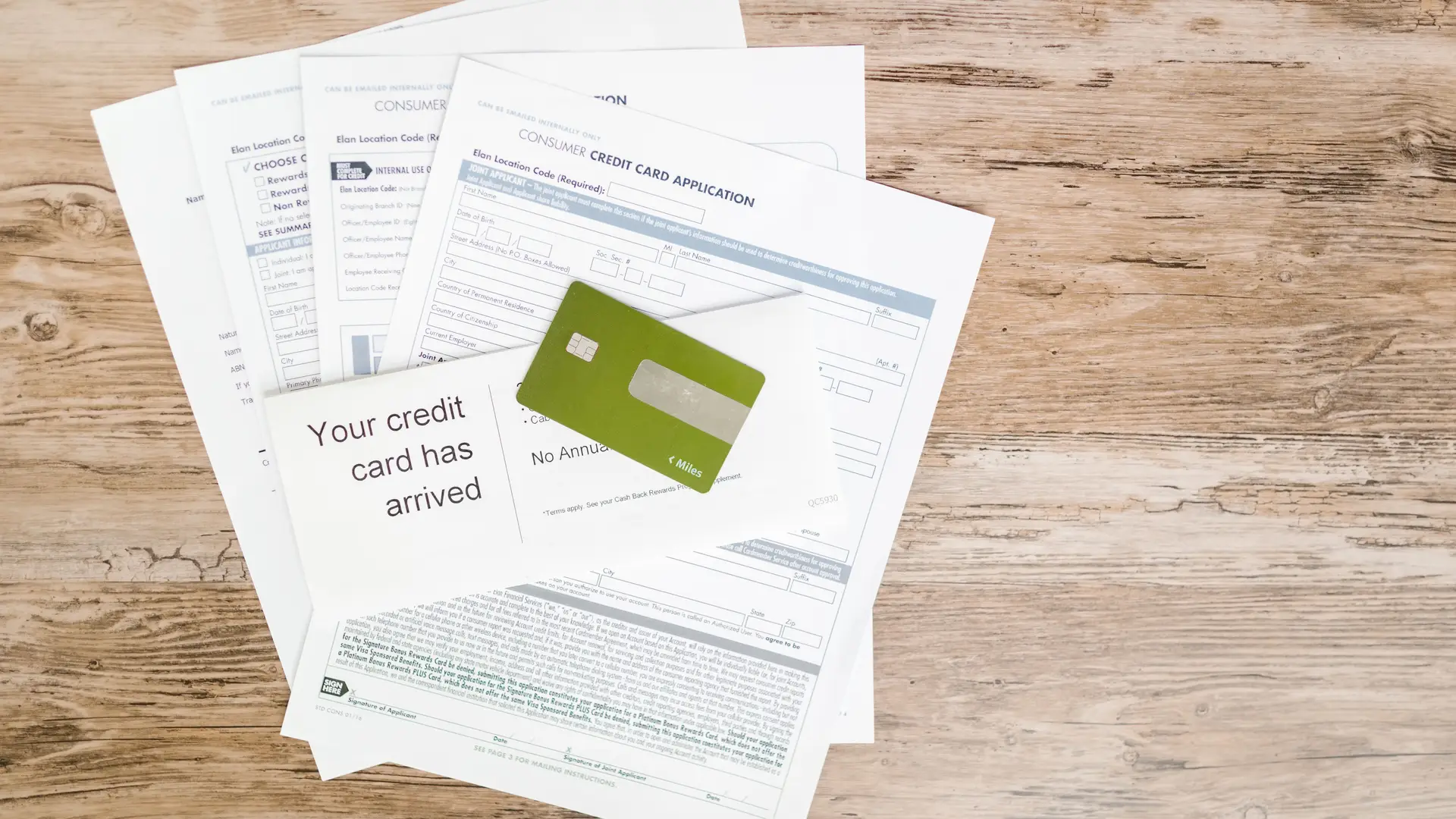
Photographs. A credit card and documents on a desk — RDNE Stock project, Pexels Cropped and resized for the web; not otherwise altered. Neither the photographers nor the licensors endorse this article.
This article is general information, not legal or financial advice. OTGG is the travel-planning platform of Paolo Melendez, an independent travel advisor. This article contains no affiliate links. Policies, fares and programme terms change — verify with the cruise line, insurer or an accredited travel advisor before booking or paying.
A charge landed after you thought you had paid in full?
Send me the invoice and the new charge. I will check it against the fare terms you actually booked under and tell you whether it is permitted — and what to do about it if not.
Begin the Journey






















