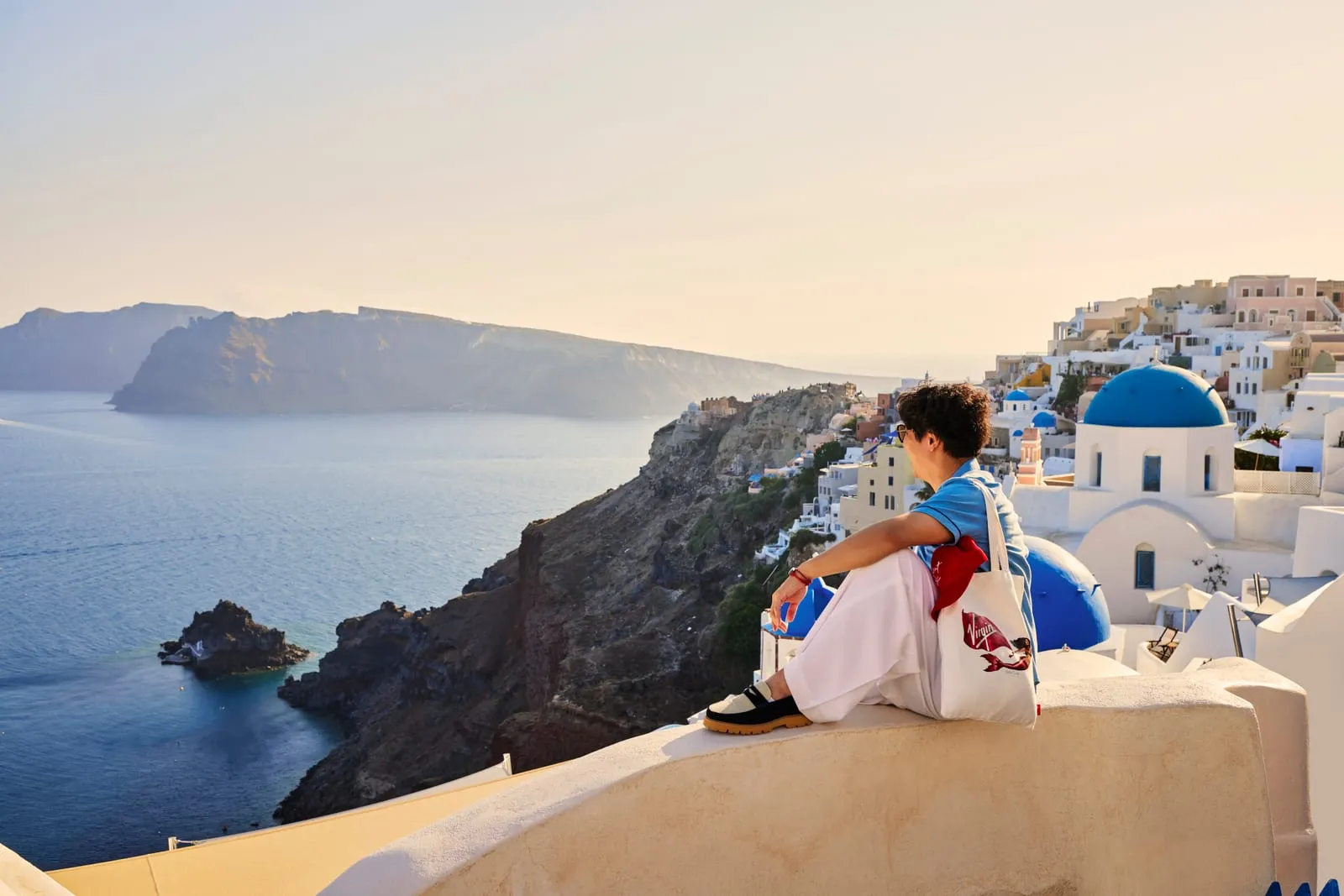
Mediterranean cruise planning in 2026 requires looking past the brochure route map. Santorini offers the clearest view of the shift. Corfu has already produced a high-profile itinerary change because of congestion, and Cannes has tightened its limits on large ships.
As of August 19, 2026 Port rules, fees, berth allocations and access arrangements change, sometimes mid-season and sometimes within a week. Every figure here is attributed to the outlet or authority that published it. Confirm the current position with the port authority, your cruise line and your excursion operator before you travel.
Santorini: caps, calculations and allocation
The Municipal Port Fund of Thira's 2025–2026 Cruise Arrival/Departure Policy sets a daily limit of 8,000 cruise passengers, a figure Cruise Hive's coverage also confirms. The calculation is what changed for 2026.
That distinction does real work. A ship with a 3,000-passenger capacity now counts as 3,000 against the daily limit even if fewer guests ultimately disembark. The allowance is spent on the ship's size, not on the behavior of the people aboard it.
Calls are also ranked and allocated before arrival rather than accepted first-come. The policy weighs:
- Historical company callsA line with a long record at the island ranks above a newcomer requesting the same slot.
- Length of stayLonger calls spread the same passengers across more hours.
- Shoulder-season participationLines that also call outside peak weeks are rewarded for it.
- Previous cancellationsA record of dropped calls counts against the request.
- Timing of the requestLate requests compete for what is left rather than for what they want.
If a day exceeds permitted capacity, the port can leave a call unconfirmed and suggest another date. It can also adjust arrival and departure times to break up concentrated disembarkation. The formal rules are in the Municipal Port Fund of Thira's published 2025–2026 policy.
The 30% Athinios limit, and where it pushes the pressure
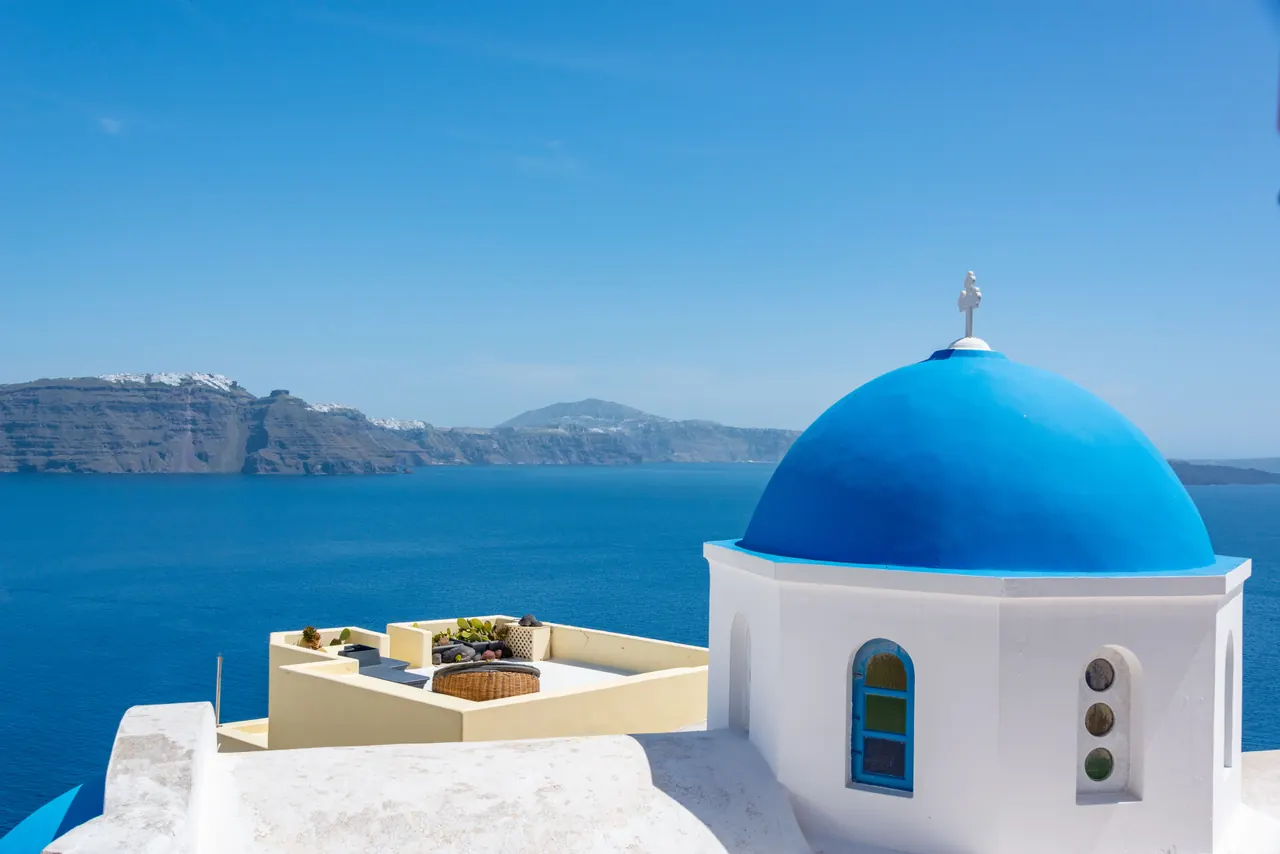
The 2026 operating arrangement limits each ship to roughly 30% of its passengers using Athinios Port, which has a road connection. The remainder are routed through Fira Bay — the Old Port — by tender, then up to Fira. The objective is to spread movement between the road-connected port and the cliffside access system.
This is not a "less crowding everywhere" solution. It moves the crowd from a road to a cliff.
Pushing more people through Fira Bay increases pressure on three things at once: tender capacity, the cable-car station, and the narrow Old Port staging area. Cruise Industry News' reporting on Santorini's tender limits describes the operational constraints around the split.
The arrangement also moved during the season. When the Karavolades Stairs closed in late July, organized shore-excursion guests were temporarily routed through Athinios and the percentage limit was suspended for those groups. That was a response to a safety problem, not a replacement for the baseline rule.
The Karavolades Stairs: reopened, with caveats
The historic stairs linking Fira with the Old Port closed after a wall collapse and related safety concerns in late July 2026, which forced organized excursions through Athinios. They reopened on 3 August 2026 after the Mayor of Thira revoked the closure order; Cruise Hive's report cites the mayoral decision and states the damaged area had been addressed.
That restores a route. It does not solve the capacity problem. The stairs are steep, exposed to summer heat, and unsuitable for many travelers with mobility limitations — and they cannot act as an unlimited substitute for the cable car. Treat them as a possible access route rather than a guaranteed one. Safety orders, weather, construction and crowd control can all change that quickly.
System fragility: the June 2026 bus strike
On 22 June 2026, Santorini tourist bus operators staged a 24-hour strike against the new passenger-distribution system. Buses carry organized excursions, transfers from Athinios and movement between villages; without them, cruise lines could not deliver planned shore programs.
Cruise Hive reported that scheduled Santorini arrivals were canceled that day, affecting ships including Norwegian Pearl, Celebrity Ascent, MSC Sinfonia and Star Flyer. Other reports described at least three major cancellations or postponements and differed on whether every scheduled call was affected.
The exact count varies by source, and it is the less interesting number. The durable fact is that a single day of ground-transport friction was enough to sever cruise access to one of the Mediterranean's most popular ports.
Greece's disembarkation fee: managing demand with price
Greece's cruise passenger fee adds a further layer. Per Euronews' explanation of the sustainable tourism fee, it applies per disembarking passenger and per port at which that passenger goes ashore — so a multi-port Greek itinerary is charged more than once.
The design intent is twofold: raise money for destination infrastructure, and make the most pressured ports less attractive for concentrated traffic. Greece is also pushing itinerary diversification toward ports with more room, including Crete, the Peloponnese and southern Italy.
The strategic question has moved. It is no longer whether a line can call at Santorini. It is whether the call returns enough value, and enough operational certainty, to justify the cost and the complexity.
Corfu: when congestion forces an itinerary swap
Princess Cruises supplied the clearest worked example of the year. On the 22 August 2026 Sun Princess sailing, the line replaced the scheduled 26 August call at Corfu with Taranto, Italy, citing cruise-ship congestion. Guests holding cruise-line shore excursions were told they would be refunded. Independent arrangements were left exposed.
Cruise Industry News reported the itinerary change, and Cruise Hive's Sun Princess report identifies the congestion behind it. Seven ships were scheduled in Corfu that day — the per-ship counts below are from the published port schedule for the date:
| Ship | Line | Guests |
|---|---|---|
| Sun Princessre-routed to Taranto | Princess Cruises | 4,300 |
| MSC Fantasia | MSC | 3,274 |
| Mein Schiff 4 | TUI Cruises | 2,506 |
| Norwegian Gem | Norwegian | 2,382 |
| Norwegian Pearl | Norwegian | 2,344 |
| MSC Armonia | MSC | 1,952 |
| Viking Star | Viking | 930 |
| Seven ships | Combined | 17,688 |
Sun Princess alone — the 175,500-gross-ton Sphere-class ship — accounted for 4,300 of those 17,688 guests, just under a quarter of the day. Removing her took the single largest block of passengers out of a saturated port, and she was nearly five times the size of the smallest ship on the list.
Taranto is not a like-for-like replacement. Diverting a ship that size changes transport logistics, cultural-site access and the accessibility profile of the entire day. Which is the point: port availability is a fluid operational variable, not a fixed promise.
Cannes and the French Riviera: large vessels move offshore
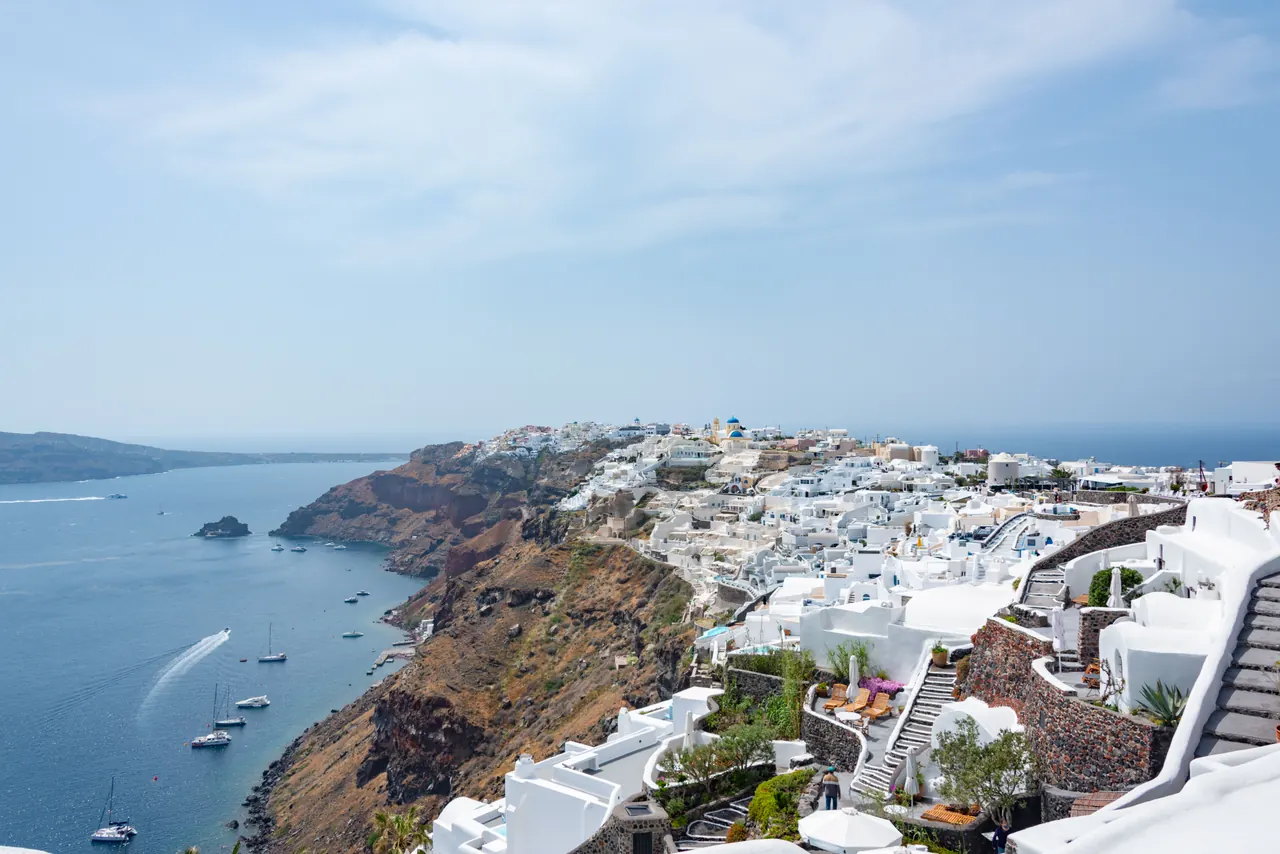
Cannes introduced significant restrictions from 1 January 2026:
- Ships with capacity above 1,000 passengers can no longer dock in the harbor.
- Larger ships anchor offshore and tender passengers ashore.
- Disembarkations are capped at 6,000 passengers per day.
- Only one ship carrying roughly 3,000 or more passengers is permitted per day.
The wider Alpes-Maritimes framework pushes in the same direction — lower daily passenger volumes and fewer large-ship calls across the summer. SeaTrade Cruise News' coverage explains how the Riviera is prioritizing smaller and more premium vessels over high-volume calls.
For a passenger, the practical translation is short: "Cannes" may now mean anchoring and tendering rather than walking off a pier into town. If your reason for choosing the itinerary was a short stroll into the Croisette, check the ship's capacity before you count on it.
The 2026 playbook
- 01
Check the port schedule yourself
Read the port authority's own schedule alongside your cruise line's latest itinerary documents, and do it before you book anything private. Santorini, Corfu and Cannes are the three where a booking made on the brochure can be overtaken by an allocation decision.
- 02
Keep shore plans cancelable
Avoid non-refundable independent excursions that hinge on a specific tender time. Choose plans that can be shortened, moved or dropped — in a tender port, flexibility is worth more than the discount you gave it up for.
- 03
Hold a two-hour return buffer
Be back at the tender area far earlier than feels necessary. The buffer is not for one delay, it is for the stack: cable-car queues, tender staging, coach delays, pier security and weather all land on the same afternoon.
- 04
Do a real accessibility check
"Wheelchair accessible" on a port page is not an answer. Confirm the actual tender transfer, the vehicles available, the walking surfaces and the distances — and for anyone managing heat, the amount of the route that is exposed and queued.
The strategic bottom line
The case for these restrictions is strong, and worth stating plainly. Daily caps reduce dangerous congestion and protect fragile infrastructure. Berth allocation stops several oversized ships arriving at once. Fees fund improvements. Diversification sends spending to ports that have been overlooked for years. Residents of these places have asked for all of it.
But crowd management also reduces certainty, and travelers are the ones holding that risk:
- A cap may mean a canceled call.
- A tender quota may mean less time ashore.
- A closed staircase may reroute an entire excursion program.
- A regional restriction may turn a docked call into an offshore tender.
- A replacement port may be operationally sensible and still not the island you booked for.
Value depends on what you can realistically reach. The smartest 2026 Mediterranean plan is not the densest list of famous ports — it is the one built with honest expectations about tenders, caps and ground logistics.
Frequently asked questions
What is the Santorini cruise passenger limit in 2026?
Will my ship still be able to dock in Santorini?
What is the 30% Athinios rule?
Are the Karavolades Stairs open?
Can I still visit Cannes on a large cruise ship?
What happens if my port is dropped from the itinerary?
Port rules, fees, schedules, berth allocations and access arrangements can change after publication. Confirm current details with the relevant port authority, cruise line and excursion operator before traveling. Guidance here on stairs, tenders, gradients and heat exposure is general logistics information, not a medical assessment — if mobility or heat tolerance is a factor for anyone in your party, take advice from a qualified professional alongside it.