
Four Ministry of Interior regulations were published in Thailand's Royal Gazette on 31 August 2026 and took effect fifteen days later, on 15 September.
What changed
| Until 14 September | From 15 September | |
|---|---|---|
| Visa-free stay | Up to 60 days | Up to 30 days |
| Eligible nationalities | 93 countries and territories | 60 countries and territories |
| Shorter exemption | — | Mauritius and Seychelles, 15 days |
| Visa on Arrival | Broad eligibility | Azerbaijan, Belarus and Serbia only — 15 days, 2,000 THB |
| Already in Thailand | — | Keep the stay granted at entry; nothing is cut short retroactively |
This is the part most coverage skipped. The eligible list fell from 93 countries and territories to 60. For around 33 nationalities this is not a shorter holiday — it is needing a visa where none was needed before. If your passport came off that list, the 30-day figure is irrelevant to you, and a booking made on last month's understanding may now be unenterable.
For the 60 nationalities still covered — including the United States, United Kingdom, Canada and Australia — the change is straightforward: 30 days instead of 60, for tourism. Mauritius and Seychelles receive 15. Visa on Arrival now applies only to Azerbaijan, Belarus and Serbia, at 15 days for a 2,000 THB fee.
Nobody already in Thailand is cut short. Travellers who entered before 15 September keep the period of stay granted to them at entry. The revision governs arrivals from the effective date onward — so the date on your entry stamp, not the date you booked, decides which framework you are under.
Why this one is a good lesson in timing
The regulations were gazetted on 31 August and effective 15 September. That is a fortnight in which a perfectly diligent traveller could search, find the 60-day rule, and be entirely wrong about the trip they were about to take.
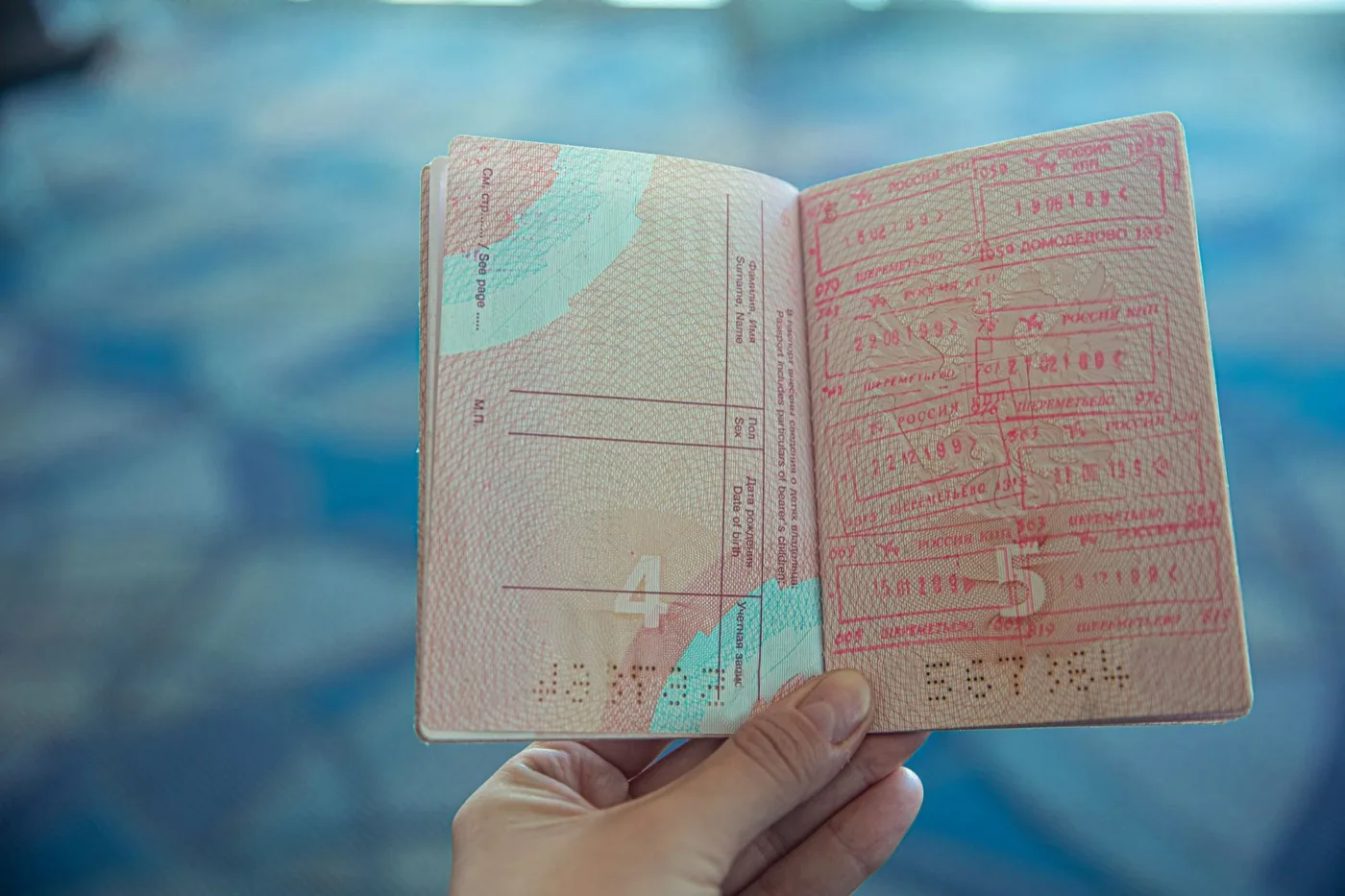
The practical discipline is two checkpoints rather than one: verify before you commit real money, and verify again immediately before departure. If the itinerary changes in between — a new entry airport, a land crossing instead of a flight, a longer stay, a different passport, an added business activity — start the check over.
What to verify, and against what
- The passport you will actually present. Not your residence, not your birthplace, not the name on the airline booking.
- The purpose of travel. Tourism, business, study, volunteering, medical treatment and transit are not interchangeable, and the revised exemption is described as tourism-focused.
- The full length of stay, counted entry to exit — including nights before a cruise embarks and after it disembarks.
- Your entry date, which decides which framework applies.
- Extension terms and the current fee, if you intend to stay beyond the exemption. An extension route exists; confirm its cost and conditions with immigration rather than from an article.
- Entry method. If you are swapping a flight for a land crossing, ask specifically whether separate limits apply to land entries — several are reported and none could be confirmed here.
- Supporting documents: onward or return travel, accommodation, passport validity and blank pages.
Check all of it against the Thai Ministry of Foreign Affairs, the Immigration Bureau, or your nearest Royal Thai Embassy or Consulate. Not a blog, not a forum, and not this page — which is accurate as of 5 September 2026 and carries no guarantee beyond that.
Frequently asked
What changed in Thailand’s visa rules on 15 September 2026?
Thailand cut its visa-free tourist stay from 60 days to 30, and reduced the list of eligible nationalities from 93 countries and territories to 60. Visa on Arrival narrowed to Azerbaijan, Belarus and Serbia, who receive 15 days for a 2,000 THB fee. The rules were published in the Royal Gazette on 31 August 2026.
Did any country lose visa-free entry to Thailand entirely?
Yes. The eligible list fell from 93 countries and territories to 60, so roughly 33 nationalities are no longer covered by the exemption at all. For those travellers the change is not a shorter stay — it is needing a visa where none was required before. Check the current official list for your passport.
I am already in Thailand. Does the new rule shorten my stay?
No. Travellers who entered before 15 September 2026 keep the period of stay granted to them at entry. The revision applies to arrivals from the effective date onward, and nobody in the country is cut short retroactively.
Can I still stay 60 days in Thailand?
Not on the exemption alone. The 30-day exemption can generally be extended once at a Thai immigration office for a fee, and other visa categories permit longer stays. Confirm the current extension terms and fee with the immigration authority rather than budgeting a long trip around an assumption.
Which passport’s rules apply if I hold two?
The one you actually present at the border. Nationality, not residence, place of birth or the name on your airline booking, determines your entry category — and with the list cut from 93 to 60, a second passport may now produce a materially different answer than it did before.
Can I rely on an article or forum post about Thai visa rules?
Use them as background only. This change was gazetted on 31 August and took effect on 15 September — a fortnight in which any number of pages still showed the old 60-day rule. Confirm against an official Thai government, immigration or consular source immediately before you travel.
What we verified, and what we would not. The effective date, the Royal Gazette publication of 31 August 2026, the 60-to-30-day reduction, the cut from 93 to 60 eligible nationalities, the Visa on Arrival narrowing to three countries at 15 days and 2,000 THB, and the grandfathering of existing entries were all confirmed on 5 September 2026. Not claimed: the extension fee, any land-border entry cap, the full 60-nationality list, and whether business activity remains permitted. Those are exactly the details to read at the official source on the day, not to take from an article.
Sources
Off The Grid Getaways is an independent travel advisor affiliated with Nexion Travel Group. This article is general information about Thai entry rules as they stood on 5 September 2026. It is not legal or immigration advice, it is not a substitute for official government guidance, and it does not guarantee entry. Immigration rules change without notice and the decision at the border rests with Thai officials. Consult a qualified immigration professional about your circumstances. Photographs by Maksim Romashkin and Ekaterina Belinskaya via Pexels, used under the Pexels licence and resized only.
Planning something with a border in it?
I build the entry check into the itinerary rather than leaving it to you the week before — twice, once before you commit money and once before you fly, and again whenever the routing moves.
Begin the Journey