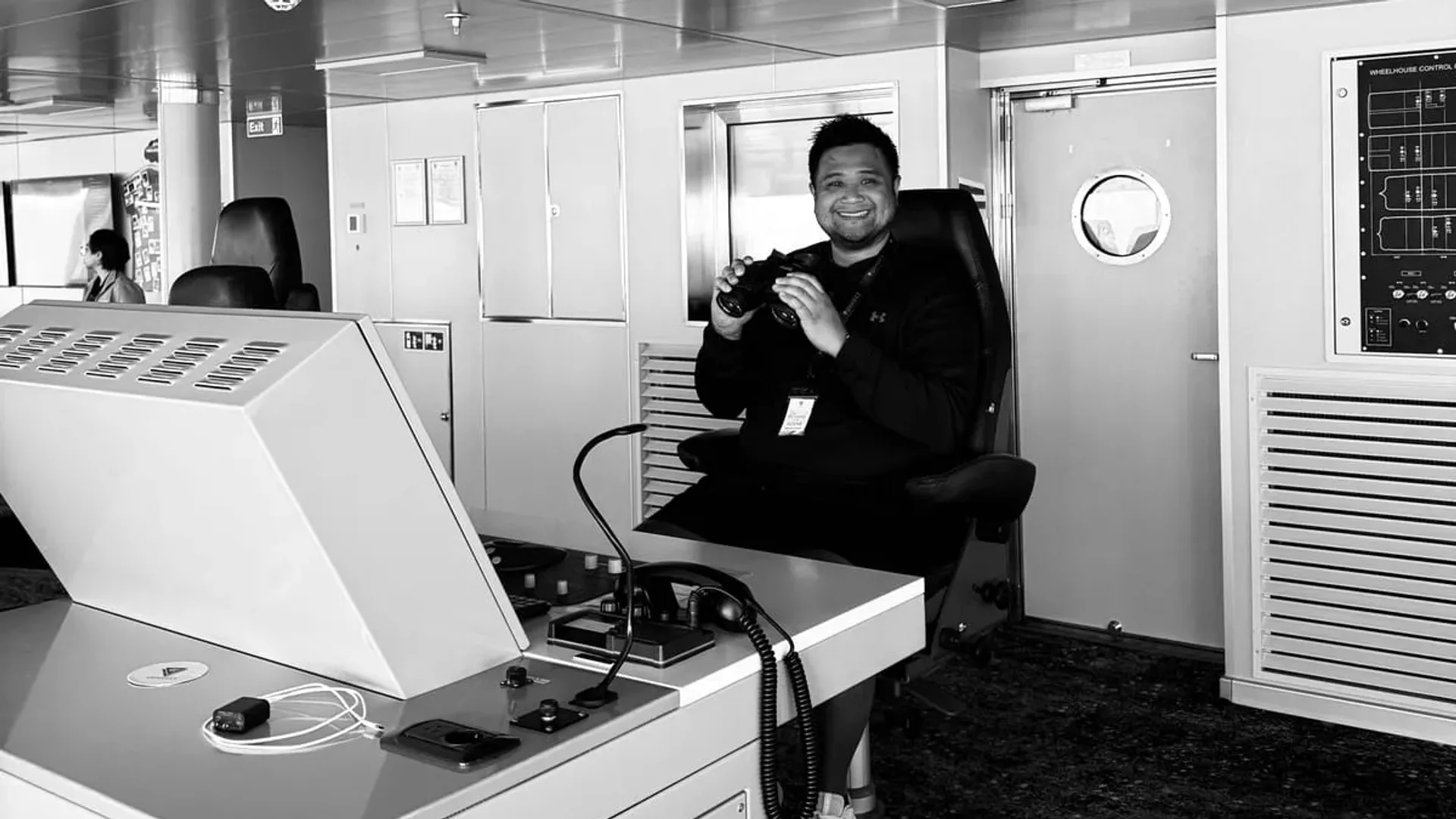
TravelAge West's cruise editor set out to find how advisors are really using AI — not the conference-panel version. I was one of four advisors asked, alongside Rita Perez of the Strategic Travel Entrepreneur Podcast, Korrine Johnson of Cruise Business Blueprint, and Cruise Planners franchise owner Cayce Callaway.
The piece found me because of a beta: I tested both of the advisor-facing AI tools available to me — the chatbot Sidekick and the newer assistant Via — and had been applying them to cruise work rather than to generic travel admin.
The line they pulled out
Of everything I said, this is the sentence the editor lifted into the article's callout — and it is the one I would have chosen too:
AI can find the ship and the voyage; only a human advisor has the courage to say, 'That ship isn't right for you.' That discernment is an advisor's true currency.
That is not a defensive position about technology. It is a description of where the value actually sits. A model will happily rank sailings for you. What it will not do is tell you that the ship you are excited about has the wrong crowd, the wrong rhythm, or a port-intensive itinerary you will resent by day four.
As I put it in the piece, a recommendation engine is a people-pleaser by design — it tends to tell you what you want to hear, so it'll confidently endorse a poor match instead of pushing back. Pushing back is the job.

What I actually said
By using targeted prompts and requiring Via to cite its sources, I can instantly cut through the noise to surface nuanced data, from routine promotions and strict cancellation policies to hyper-specific packing and carry-on restrictions.
This allowed me to immediately cut through the media panic, provide clear-headed guidance and offer the verified reassurance my clients needed to feel completely secure about their investments and their upcoming travel plans.
AI-generated input often complicates the initial conversation, but it also provides a unique opening for me as an advisor to reframe the data, correct misconceptions and demonstrate value.
I regularly create practical how-to guides and cheat sheets designed to simplify both AI and non-AI tools. Sharing these resources actively within forums allows me to mentor peers, lower the barrier to tech entry and help others build more efficient, scalable businesses.
All quotations above are my own remarks as published in TravelAge West, 10 August 2026. Read the full article for the other advisors' perspectives — including a genuine disagreement about how far to trust AI on cruise line policy, which is worth your time.

Why this matters for you, not for me
A press mention is only worth something if it tells you how the work gets done. So here is the practical version.
The reason I lean on tooling for fine print — cancellation terms, promotion stacking, carry-on rules, health advisories — is that it buys back the hours that would otherwise go into reading supplier PDFs. Those hours go into the part no tool does: matching a specific person to a specific sailing, and being willing to talk them out of the wrong one.
It is the same discipline behind everything else here. Every fare on this site is pulled automatically from the cruise line directly and verified before it is published. Every guide gets its numbers checked against the operator's own documentation. The technology does the gathering. The judgment stays human.
Want That Judgment Pointed at Your Trip?
Tell me who is traveling and what you want out of it. I will tell you which sailing fits — and, when it applies, which one to skip.
Plan Your Voyage →