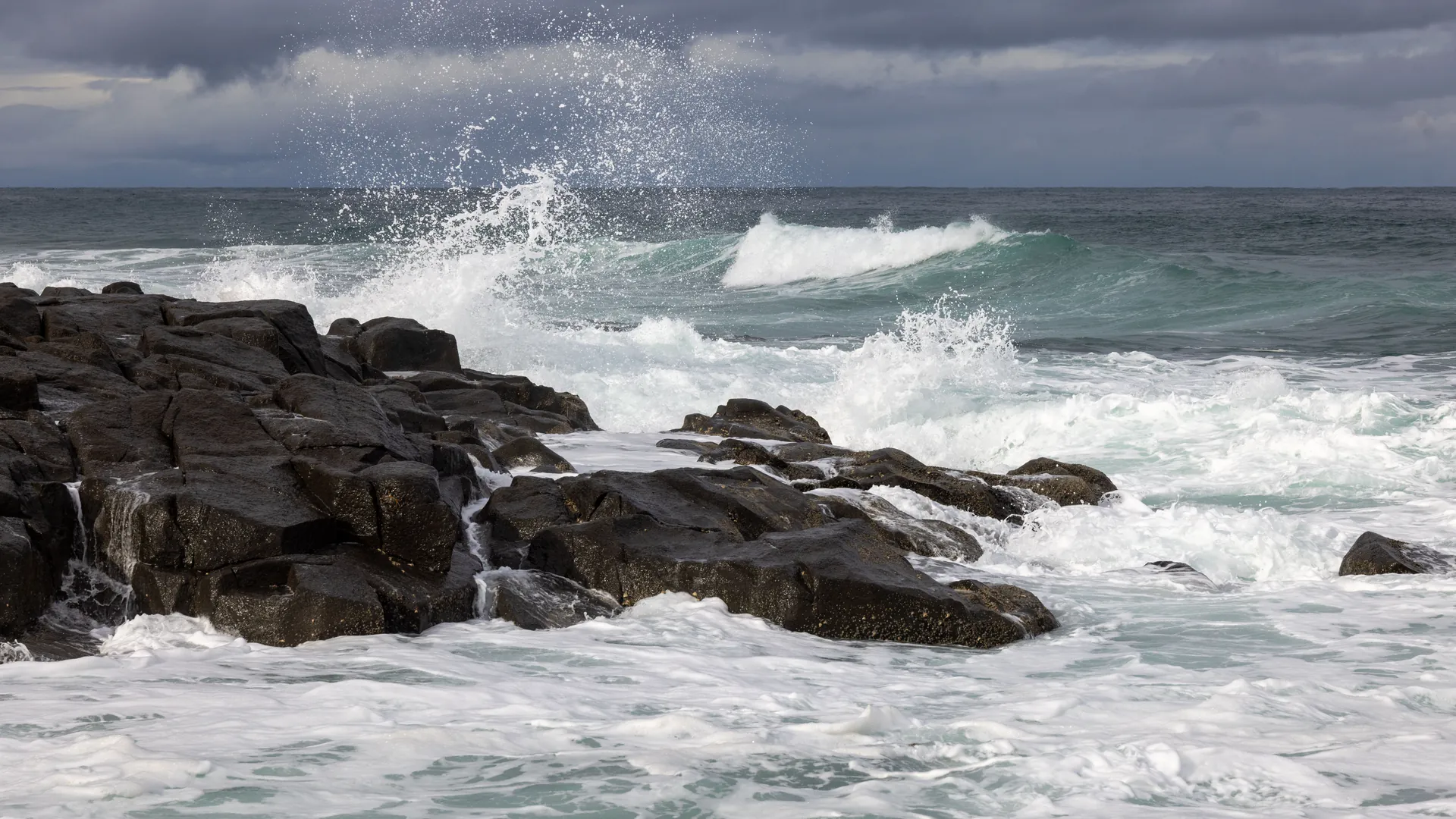
Hurricane Polo came first and was extraordinary. Hurricane Rachel followed close behind and is still out there. Between them they have forced at least six ships across five brands to redraw Mexican Riviera itineraries in late September and early October 2026 — and one sailing is still waiting on a decision as this publishes.
This is a live weather story. Sources and facts checked: October 1, 2026 (America/New_York). Every itinerary below can change again, and at least one is expected to. Confirm your own sailing with the cruise line before you act on anything here.
The practical question is not simply whether a ship "missed a port." It is what replaced that port, how passengers reached shore, how much usable time remained, and whether the money attached to the original plan came back as cash, credit, or nothing at all.
Where the two storms actually stand
Polo is over, and it was one for the record books
Polo formed on September 20 and explosively intensified into a Category 5 hurricane by September 22, reaching 180 mph winds and a minimum central pressure of 892 millibars — the second-most-intense Pacific hurricane ever recorded by pressure, behind only Hurricane Patricia at 872 mb.
It made two landfalls on September 29: first near Las Barrancas, Baja California Sur as a Category 2, then near Guaymas, Sonora as a Category 1. It dissipated on September 30. Ashore it left river flooding, overtopped breakwaters, blackouts affecting around 20,000 customers in Baja California Sur, and roughly 1,128 people displaced across Sonora.
Polo was the eighteenth named storm, seventh hurricane, fifth major hurricane and record-tying third Category 5 of the 2026 Eastern Pacific season.
Rachel is still happening — and may yet miss
As of the National Hurricane Center's advisory at 8:00 a.m. MST on October 1, Rachel was a Category 2 hurricane with 105 mph sustained winds and a central pressure of 964 mb, centered near 19.6°N 109.6°W — roughly 230 miles south of the southern tip of Baja California — crawling west-northwest at about 6 mph, with some additional strengthening possible.
No coastal watches or warnings were in effect. The forecast track carries Rachel west-northwest, away from the Mexican coast and into the open Pacific, while swell from the system continues to affect west-central Mexico and the Baja California Peninsula through the end of the week.
That last point is the whole nuance, and it is why one line has not committed to a reroute yet. A storm that is forecast to curve away is not the same planning problem as one bearing down on a port. Swell, however, reaches a long way ahead of a center — which is precisely what breaks a tender operation.
The substituted-port matrix
| Sailing | Ports dropped | What replaced them |
|---|---|---|
| Carnival Panorama Sept 26 · Long Beach · 8 nights | Puerto Vallarta, Mazatlán, La Paz and Cabo San Lucas | Ensenada twice (Sept 28 and Oct 1), sea days Oct 2–3, back in Long Beach Oct 4. $300 onboard credit per stateroom plus excursion refunds to the onboard account. |
| Grand Princess Sept 25 · Los Angeles · 10 nights | La Paz, Guaymas, Puerto Vallarta and Cabo San Lucas | An overnight in San Diego from Sept 26, plus Mazatlán. Guests could cancel for 100% future cruise credit on the base fare, or sail with $100 onboard credit. |
| Brilliant Lady Sept 26 · Los Angeles · 7 nights | Cabo San Lucas, Mazatlán and Puerto Vallarta — every Mexican call | San Francisco Sept 28, San Diego Sept 30, Catalina Island Oct 1, Ensenada Oct 2. Sailed and returned on the original dates. |
| Navigator of the Seas Sept 25 · Los Angeles | Ensenada and Cabo San Lucas | Ensenada became a sea day, Mazatlán moved a day earlier to Sept 28, and Puerto Vallarta was added on Sept 29, 8 a.m. to 6 p.m. Guests were notified Sept 23. |
| Queen Elizabeth Sept 24 · Seattle | Cabo San Lucas on Oct 1 | A sea day in its place, then onward to Guatemala. |
| Carnival Miracle Sept 26 · Seattle | Cabo San Lucas on Oct 1 | Canceled, with the remainder of the itinerary continuing as published. |
Six ships, five brands — Carnival, Princess, Virgin Voyages, Royal Caribbean and Cunard. Three of those are Carnival Corporation brands, which is worth knowing when you compare how differently they handled compensation.
Still open: Brilliant Lady's October 3 departure. Virgin Voyages has notified guests of a possible itinerary change on the seven-night Mexican Riviera sailing from Los Angeles, has an alternative itinerary prepared but unreleased, and has advised guests to pack for cooler weather — which tells you the contingency routing runs north. The line indicated a decision was expected on October 1. As of this publication no revised itinerary had been issued. If you are on this sailing, check directly with Virgin Voyages rather than relying on this page.
Replacement quality is not equal
A substitute port sits on a spectrum, and the itinerary line in your app tells you almost nothing about where on that spectrum you have landed.
A genuine city day
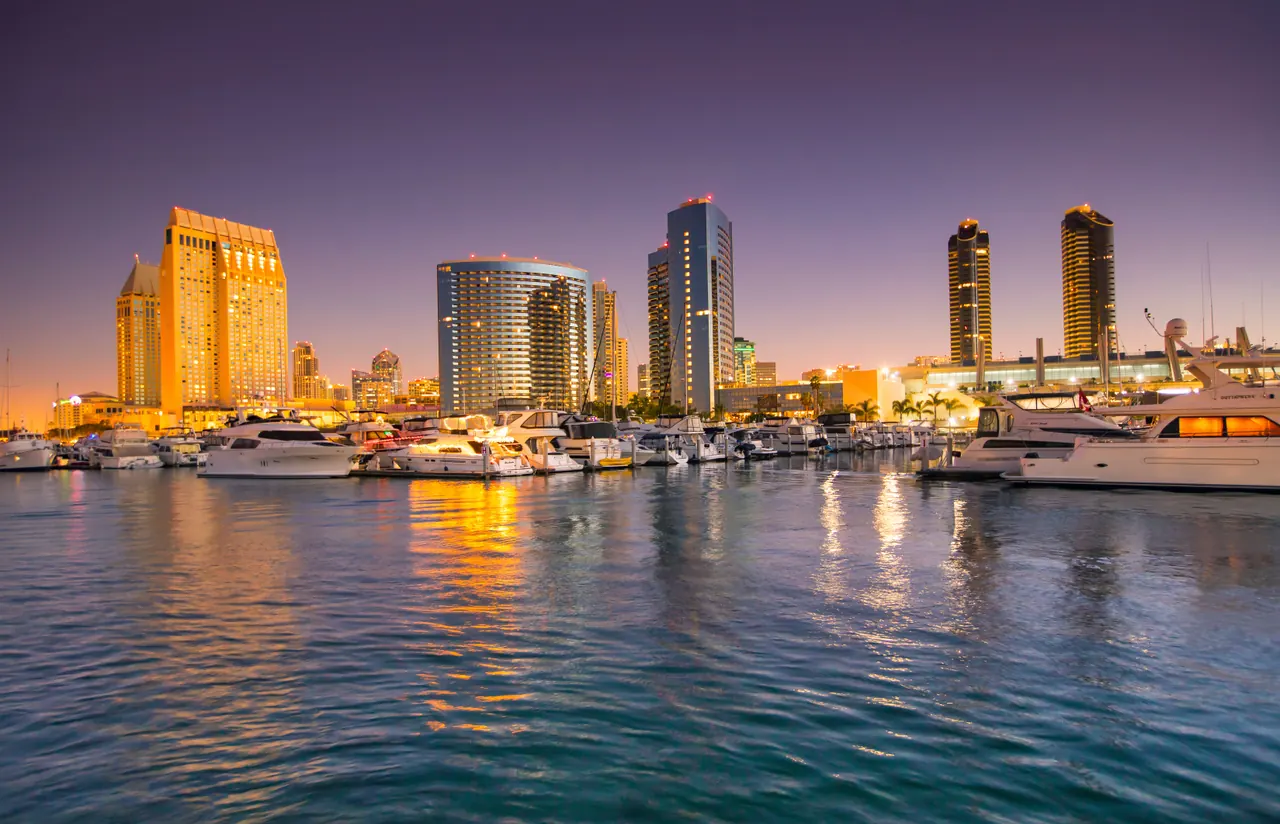
San Francisco and San Diego can function as real city calls. They offer museums, restaurants, neighborhoods, public transit and independent sightseeing that work for solo travelers, groups and multi-generational families alike.
They also give travelers more ways to adapt. A guest who cannot manage a long excursion can choose a shorter route. An LGBTQ+ group can plan its own neighborhood-focused day. A traveler with accessibility needs can concentrate on one confirmed venue rather than gamble on a remote tour.
That does not make the replacement equal to a Mexican Riviera call. It makes it more flexible.
A tender destination
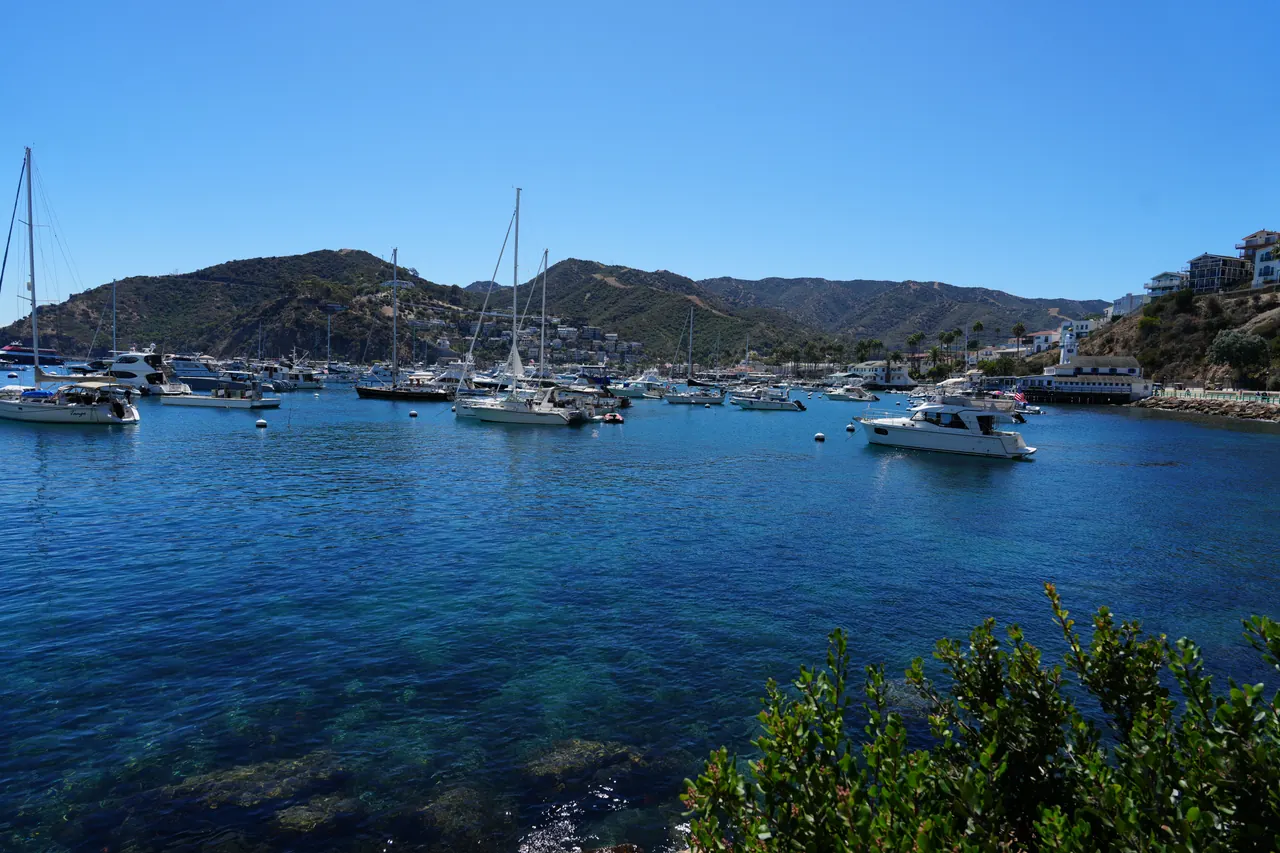
Catalina Island is an anchorage and tender call, not a guaranteed walk-off-the-ship berth. Passengers transfer between ship and shore by tender boat, and the captain retains final authority over whether tendering is safe at all.
That distinction matters more than usual in a storm week. A substitute can look attractive on the itinerary while delivering far less usable time ashore because of tender queues, weather restrictions and limited return capacity — and residual swell can persist for days after a storm's center has moved away.
A repeat Ensenada call
Ensenada is operationally useful because it is close to Southern California and offers a docked call. It is also a weaker destination substitute when it replaces several distinct Mexican ports.
Carnival Panorama's revised itinerary is the clearest illustration on this page: it calls at Ensenada twice in one eight-night sailing, having lost four separate ports. You still receive port days. You do not receive the destination mix you purchased.
A sea day
A sea day is the cleanest safety solution and the weakest shore substitute. It can be genuinely valuable if the alternative would involve rough water, a tender operation or a rushed arrival. It is not a city day, and onboard credit does not transform it into one.
Berth versus anchorage changes the math
The OTGG Journal's "The Port Is Not the Terminal" rule applies here: the destination name does not tell you how you will arrive.
A docked port usually gives you a more predictable gangway-to-street transition. An anchorage introduces tender loading, queue management and weather-sensitive operations. A substitute port that is geographically closer may still be less usable if passengers must wait to get ashore.
Build a larger return buffer for a tender call. Do not schedule the last available tender around an independently booked tour, especially when residual swell from a storm may remain after the center of the system has moved away.
A berth also helps short-notice planning. You can often walk off, assess conditions and choose a nearby activity. A tender port requires more commitment before you leave the ship.
Excursion timing can quietly break the replacement day
Shore excursions are built around a specific arrival window. A tour designed for a morning call may not work when the ship arrives later, leaves earlier, or changes from a docked port to an anchorage.
Before accepting a replacement excursion, confirm:
- The actual all-aboard time.
- Whether transportation begins at the pier or after a tender transfer.
- The revised duration and walking requirements.
- Whether the operator will still run the tour with a shortened call.
- Whether the activity ends with a protected return buffer.
- Whether the booking is suitable for mobility devices, children, older travelers or mixed-ability groups.
Do not assume that a tour listed in the cruise app fits the new schedule. Recheck it after the itinerary changes.
Refunds, credits and independent bookings
Line-booked excursions for a canceled port are normally canceled automatically. The payment path depends on timing: a pre-cruise cancellation may return to the original card, while an in-voyage cancellation may first appear as onboard credit on the folio.
An independent tour is different. The cruise line does not automatically cover a booking made directly with a local operator, a marketplace or a private guide. Contact that provider yourself and review its weather and missed-port terms.
Two real compensation packages, side by side
This week produced an unusually clean comparison, and it is worth studying because the two lines solved the same problem in different currencies.
- Carnival Panorama guests received $300 in onboard credit per stateroom, plus refunds of line-booked excursions to the onboard account, after losing four ports.
- Grand Princess guests were offered a choice: cancel the voyage for a future cruise credit worth 100% of the base fare paid, or sail and receive $100 in onboard credit.
Those are not equivalent instruments. A future cruise credit is deferred value with its own expiry and booking conditions. Onboard credit is spending value locked to the voyage you are already on. Neither is cash, and the $300 figure is attached to a stateroom, not a person — so a solo traveler and a family of four receive the same amount.
Onboard credit is not a fare refund. It may be useful for dining, drinks, spa services or retail, but it is restricted by the line's rules and may have settlement conditions. The OTGG Journal's "Onboard Credit Is Not Cash" explains why the face value is not always the usable value.
Port taxes and fees are a separate question again, and practice varies by line: some refund them when a port is missed, some have moved away from doing so, and others decide case by case. Do not assume. Ask, and ask in writing.
Why the port order may survive
Cruise lines do not always rebuild an itinerary from scratch. They may retain the order of remaining calls while dropping one specific port — Queen Elizabeth and Carnival Miracle both simply lost their October 1 Cabo San Lucas call and carried on.
That can happen because the ship is already positioned for the next leg, because a replacement berth is available only on a particular day, or because the line is protecting the return schedule. The result can look confusing: the sequence remains familiar, but one port disappears and another call moves earlier or later. Navigator of the Seas even gained a full docked day in Puerto Vallarta while losing Ensenada and Cabo.
Think of the route as a navigation problem, not a restaurant reservation. The line is balancing storm avoidance, fuel, berth availability, tender safety, port clearance and the next sailing's embarkation schedule.
Devil's advocate: the substitute may be better
A storm-season Mexican Riviera port is not automatically the higher-value day.
A well-chosen San Francisco or San Diego call can beat a hot, shortened or operationally fragile day in Cabo San Lucas. A docked city gives you more control. You can choose a museum instead of a boat, a neighborhood walk instead of a long coach ride, or a simple meal near the terminal instead of risking a late return.
For travelers with accessibility needs, the substitute may also be easier to verify. For solo travelers, it may be simpler to explore independently. For LGBTQ+ groups and multi-generational families, a city can provide more ways to divide and reunite without forcing everyone into one excursion.
The counterargument is equally important: if you booked specifically for beaches, warm water or Mexican culture, a California city is not an equivalent product. Value depends on what you intended to do ashore.
Two months of season remain
The Eastern Pacific hurricane season runs from May 15 to November 30, so roughly two months of exposure are left — and 2026 has not been an ordinary year. Polo alone was the season's fifth major hurricane and third Category 5, tying the record for Category 5s in a single Eastern Pacific season.
If you are booked on a Mexican Riviera sailing between now and the end of November, the planning posture that follows from this is not anxiety. It is simply this: assume substitution is possible, and make sure nothing you pay for in advance depends on a specific port happening.
Verify before you pay
- Confirm whether each port is docked or tendered.
- Ask how the line handles a port substitution, and get the answer in writing.
- Check whether excursion refunds return to the card or become onboard credit.
- Read the independent operator's missed-port and weather policy before booking, not after.
- Avoid nonrefundable tours with tight return windows during hurricane season.
- Ask whether a replacement excursion still operates if the call shifts to the afternoon.
- Confirm accessible transport, vehicle equipment and walking requirements in writing.
- Keep post-cruise flights flexible enough to absorb a changed return.
- Save every itinerary notice, receipt and refund confirmation.
- Verify current taxes, fees and compensation directly with the operator.
Common questions
Does a substitute port guarantee the same amount of time ashore?
No. A tender operation, a late arrival or a shortened call can all cut usable shore time, even when the itinerary still shows a port day.
Does onboard credit mean I received a cruise-fare refund?
No. Onboard credit is spending value attached to the voyage. It is not a refund of the cruise fare, and it is governed by the line's own rules on what it can be spent on and what happens to any unused balance.
Will an independent tour be refunded if the ship skips the port?
Not automatically. The cruise line does not cover a booking you made directly with a local operator, a marketplace or a private guide. That operator's own policy controls, unless your travel insurance provides applicable coverage.
Why would a line repeat Ensenada instead of adding another city?
Ensenada offers a workable berth close to the Southern California homeports while preserving fuel, safety margin and return-schedule flexibility. It is an operational choice, not a destination choice.
Has Brilliant Lady's October 3 departure been changed?
Not as of October 1, 2026. Virgin Voyages has told guests an itinerary change is possible, has prepared an alternative routing and has advised packing for cooler weather, but no revised itinerary has been issued. Check directly with the line before you travel.
Is the Pacific hurricane season over?
No. The Eastern Pacific season runs through November 30, so roughly two months remain. The 2026 season has been unusually active, which is a reason to plan for substitution rather than treat it as a remote possibility.
Sources
- National Hurricane Center — Hurricane Rachel public advisory
- National Hurricane Center — Eastern Pacific graphical outlook
- Cruise Hive — Every cruise ship impacted by Hurricane Rachel so far
- Cruise Hive — All cruise ships impacted by major Hurricane Polo
- Cruise Hive — Virgin Voyages eyes reroute as Hurricane Rachel nears
- Cruise Industry News — Grand Princess adjusts itinerary due to hurricane
- Cruise Industry News — Virgin informs guests of potential itinerary changes
- Royal Caribbean Blog — Hurricane Polo forces Royal Caribbean to reroute a cruise
- The Weather Network — Polo cements its status as one of the Pacific's most intense hurricanes
- Wikipedia — Hurricane Polo (2026), landfall and intensity record
Photographs. Pacific swell on a rocky coastline — Magda Ehlers, Pexels · San Diego skyline and harbor — Stephen Leonardi, Pexels · Avalon Harbor, Catalina Island — Aleksandr Poklad, Pexels Cropped and resized for the web; not otherwise altered. Neither the photographers nor the licensors endorse this article. The photographs are illustrative and do not depict the storms or sailings described.
This article is general information, not medical, legal, financial or safety advice. OTGG is an independent travel advisor; this article contains no affiliate links and does not guarantee itinerary performance, compensation, accessibility, refund outcomes or weather conditions. Weather forecasts and cruise itineraries change without notice. Verify current details with the cruise line or operator before paying or planning around any of it.
On a Pacific sailing this season and want the contingency worked out in advance?
Send me the ship and the date. I will check which of your ports are tendered, what the line's substitution and refund practice actually is, and which parts of your plan would survive a reroute — before you pay for anything that depends on a specific port happening.
Begin the Journey






















